Top 10 Celebrity Influencers in India

Introduction 

In India, some famous people like Virat Kohli, Priyanka Chopra, and Deepika Padukone are really popular on social media. They are actors and sports stars with lots of fans. Because so many people follow them, they can help start new trends and tell others about cool things, like brands or products.

Social media influencers are playing an increasingly important role in trends and culture. Through their large online followings, influencers have significant power to shape public views and consumer choices.

Some of the top influencers span many industries, such as fashion, beauty, travel and health/fitness. These digital figures have been able to build huge audiences by sharing their expertise and passions. The connections they form with followers give influencer opinions great weight.

Brands recognise the ability of influencers to introduce new products and ideas to large segments of the population. As a result, influencer marketing partnerships have become a major advertising strategy. Top influencers command high prices for sponsored content and endorsements.

Also Check – 8 Proven Strategies on How to Drive Sales with Influencer Marketing

The rise of influencer culture shows how social platforms have decentralised cultural discussion and consumer decision-making. Individual voices with authenticity and expertise can now drive mainstream conversations rather than traditional celebrities and media alone.

Understanding the influencer landscape provides insights into evolving trends and consumer behaviours in the digital age.

NameProfession/NicheInstagram Followers (approx.)
Virat KohliCricket SuperstarOver 270 million
Shraddha KapoorBollywood ActressOver 94 million
Priyanka Chopra JonasGlobal Icon (Bollywood & Hollywood)Over 92 million
Narendra ModiPrime Minister of IndiaOver 92 million
Alia BhattBollywood ActressOver 86 million
Katrina KaifBollywood Actress, ModelOver 80 million
Deepika PadukoneBollywood Actress, Global AmbassadorOver 80 million
Neha KakkarPlayback Singer, Reality TV JudgeOver 78 million
Urvashi RautelaActress, ModelOver 72 million
Jacqueline FernandezActress, ModelOver 71 million

Top 10 Celebrity Influencers in India

1. Virat Kohli

Virat Kohli is a celebrated cricketer and former captain of the Indian national team, renowned for his exceptional skills and unwavering dedication to fitness. His remarkable performances on the field have earned him a massive following, making him a prominent figure in the world of sports.

Beyond cricket, Kohli’s influence extends into various sectors, including health, fitness, and lifestyle, where he is a sought-after choice for brand endorsements. His commitment to excellence and inspiring persona resonates with fans and brands alike, solidifying his status as a global icon.

  • Niche: Sports, Fitness
  • Followers: 250 million+ across platforms
  • Potential Charges for a Collaboration: ₹2-5 crore per post

2. Priyanka Chopra Jonas

Priyanka Chopra Jonas is an internationally acclaimed actress and former Miss World who has made a remarkable impact in both Bollywood and Hollywood. Renowned for her style and grace, she has established herself as a fashion icon and a powerful voice in the beauty industry.

With her diverse talents and charisma, Priyanka has garnered a global appeal, making her a top influencer across multiple markets. Her ability to connect with audiences worldwide further solidifies her status as a significant figure in entertainment and fashion, inspiring many with her journey.

  • Niche: Entertainment, Fashion, Beauty
  • Followers: 150 million+ across platforms
  • Potential Charges for a Collaboration: ₹1-3 crore per post

3. Amitabh Bachchan

Amitabh Bachchan is often hailed as the “Shahenshah of Bollywood” and is one of the most revered actors in Indian cinema. With an illustrious career spanning decades, he is celebrated for his deep voice and commanding screen presence, captivating audiences across generations.

Beyond his cinematic achievements, Bachchan is also deeply committed to social causes and philanthropy, using his influence to make a positive impact on society.

His dedication to both his craft and humanitarian efforts has solidified his status as an iconic figure, inspiring countless fans and aspiring actors alike.

  • Niche: Entertainment, Social Causes
  • Followers: 120 million+ across platforms
  • Potential Charges for a Collaboration: ₹75 lakh-2 crore per post

4. Deepika Padukone
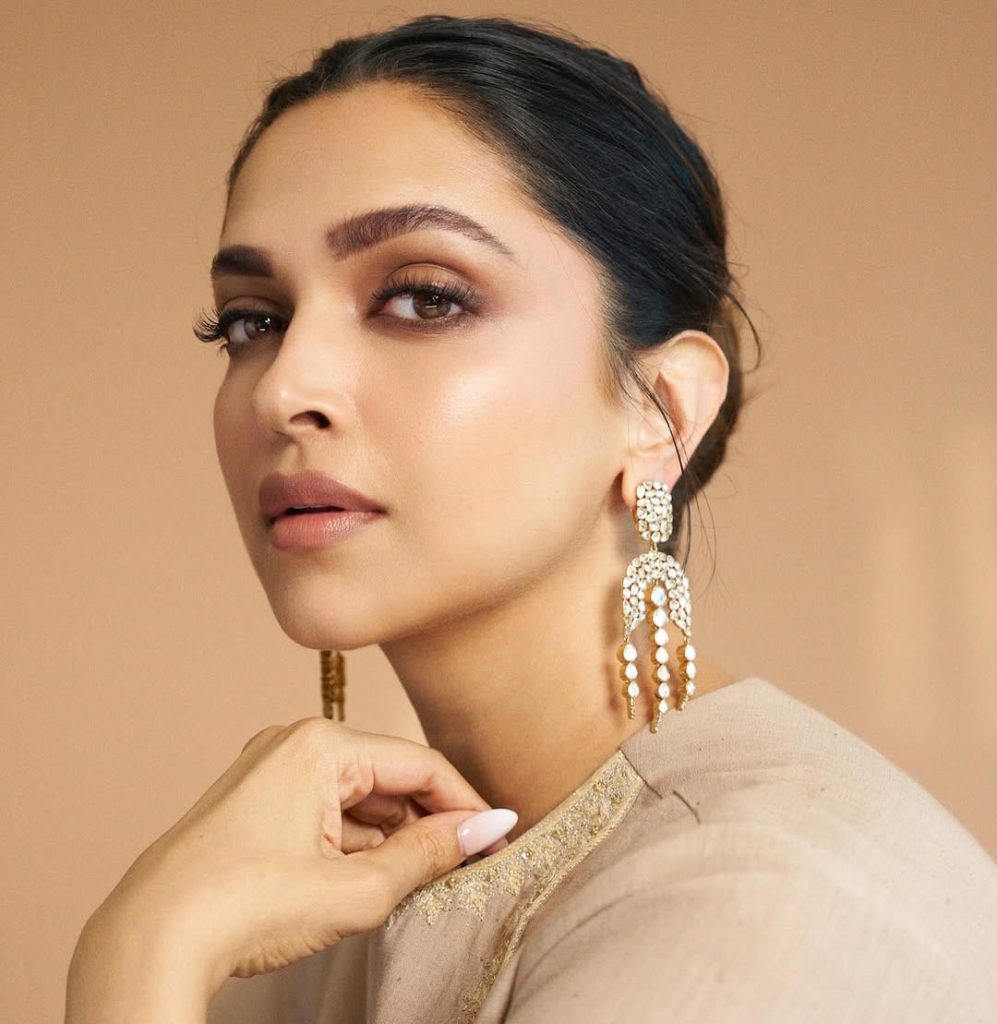
Deepika Padukone is a prominent Bollywood actress who is celebrated for her versatile performances and impeccable fashion sense. With a career that spans various genres, she has established herself as one of the leading figures in Indian cinema.

Beyond her acting achievements, Deepika is a passionate advocate for mental health awareness, having founded the Live Love Laugh Foundation to support those struggling with mental health issues. 

Her commitment to both her craft and social causes has made her a highly influential figure, inspiring many through her work in the entertainment industry and her advocacy efforts.

Deepika’s ability to blend her professional success with meaningful initiatives highlights her dedication to making a positive impact in society.

  • Niche: Entertainment, Fashion, Mental Health
  • Followers: 100 million+ across platforms
  • Potential Charges for a Collaboration: ₹1-2 crore per post

5. Shah Rukh Khan

Shah Rukh Khan, also known as the “King of Bollywood,” is one of the most successful and beloved actors in Indian cinema. He is also a successful entrepreneur with interests in various industries. Khan’s charismatic persona and business acumen make him a significant influencer.

  • Niche: Entertainment, Entrepreneurship
  • Followers: 100 million+ across platforms
  • Potential Charges for a Collaboration: ₹1-3 crore per post

6. Alia Bhatt

Alia Bhatt is a talented actress who has quickly risen to stardom in Bollywood. Known for her youthful style and versatility, she appeals to a younger demographic. Bhatt’s influence extends to fashion and lifestyle, making her a popular choice for brands targeting millennials and Gen Z.

  • Niche: Entertainment, Fashion, Lifestyle
  • Followers: 80 million+ across platforms
  • Potential Charges for a Collaboration: ₹50 lakh-1.5 crore per post

7. Salman Khan

About Them:** Salman Khan is one of Bollywood’s biggest stars, known for his blockbuster films and fitness regime. He is also involved in various philanthropic activities through his foundation, Being Human. Khan’s robust following and charitable work enhance his influence both on and off the screen.

  • Niche: Entertainment, Fitness, Philanthropy
  • Followers: 90 million+ across platforms
  • Potential Charges for a Collaboration: ₹1-3 crore per post

8. Ranveer Singh

Niche: Entertainment, Fashion

Followers: 60 million+ across platforms

Potential Charges for a Collaboration: ₹50 lakh-1.5 crore per post

Ranveer Singh is known for his energetic performances and bold fashion choices. His unique style and vibrant personality have made him a favourite among brands looking to connect with a dynamic and youthful audience. Singh’s influence in both entertainment and fashion is substantial.

9. Anushka Sharma

Anushka Sharma is a prominent actress and film producer. She co-owns the production company Clean Slate Filmz, which focuses on content-driven cinema.

Sharma’s style and entrepreneurial spirit make her an influential figure in both the entertainment and business worlds.

  • Niche: Entertainment, Fashion, Entrepreneurship
  • Followers: 70 million+ across platforms
  • Potential Charges for a Collaboration: ₹50 lakh-1.5 crore per post

10. Akshay Kumar
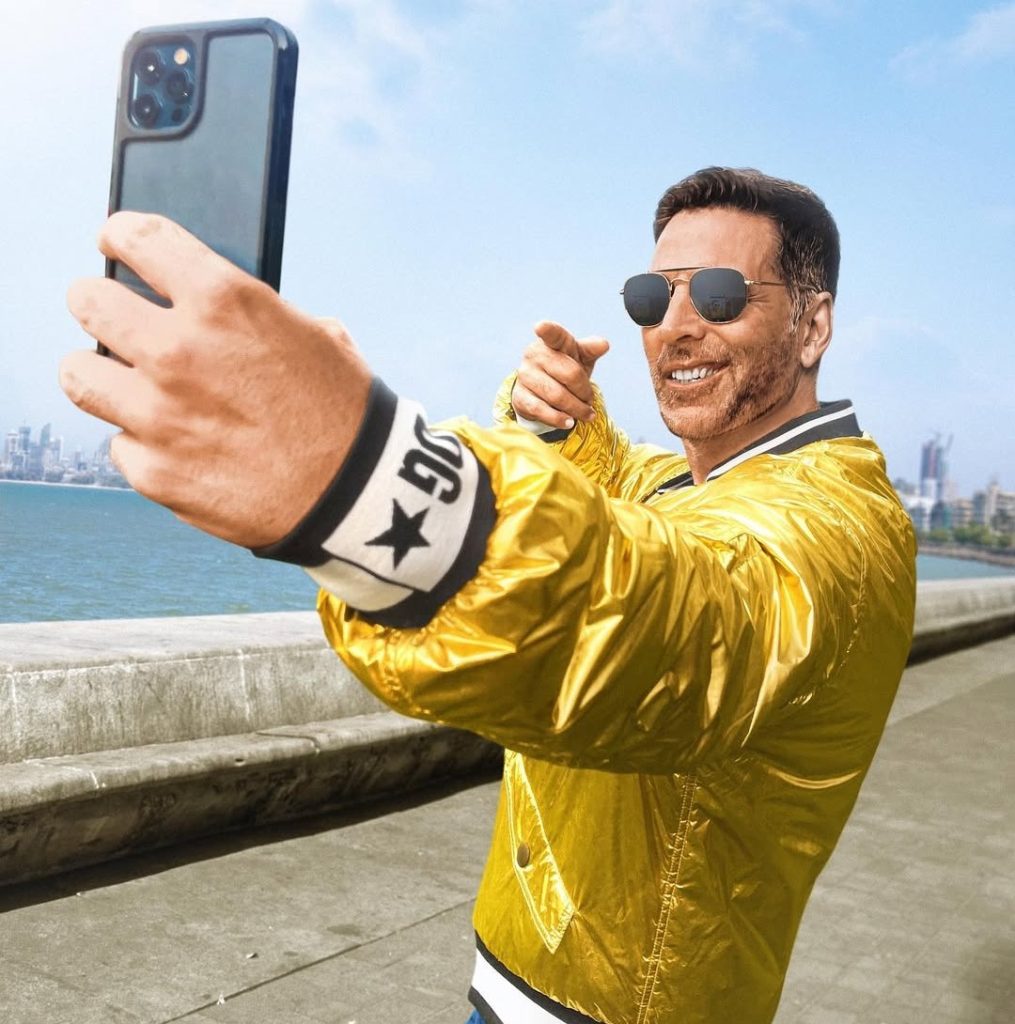
Akshay Kumar is a versatile actor known for his action roles and fitness dedication. He is also involved in various social causes, promoting issues like health and sanitation. Kumar’s influence spans multiple sectors, making him a valuable partner for brand collaborations.

  • Niche: Entertainment, Fitness, Social Causes
  • Followers: 100 million+ across platforms
  • Potential Charges for a Collaboration: ₹1-2 crore per post

Partner With The Buzzfame – Influencer Marketing Agency Today

It is highly important partnering with the right influencers can be a game-changer for brands looking to amplify their message and reach.

As a leading influencer marketing agency based in Chennai, Buzzfame excels at facilitating these collaborative successes. Unlike a one-size-fits-all approach, Buzzfame takes the time to understand each client’s unique goals and target audience.

Their specialised expertise enables them to match brands with influencers who truly resonate with that demographic, setting them apart and driving measurable results.

Renowned Indian brands have all benefited from BuzzFame’s strategic partnerships, as the agency has established a proven track record of delivering impactful influencer marketing campaigns.

If you’re aiming to effectively partner your brand with influential creators, Buzzfame is the perfect platform for collaborative success, providing personalized service tailored to your specific needs.

Also check – How to Become a Social Media Influencer

Wrapping Up

Celebrity influencers play a huge role in shaping popular culture and consumer trends in India. The celebrities featured like Virat Kohli, Priyanka Chopra Jonas, Amitabh Bachchan, Deepika Padukone and others have amassed massive followings through their work and personalities.

They are able to influence public views while also serving as highly effective brand ambassadors. 

Partnering with the right celebrity influencers allows brands to authentically connect with diverse target audiences. As influencer marketing continues to grow in India, understanding the celebrity influencer landscape and choosing collaborations strategically will be important for maximizing impact.

Agencies like Buzzfame can help brands navigate this evolving space to achieve their unique goals. Kwyrod: Celebrity Influencers in India

FAQs Related To Top 10 Celebrity Influencers in India

Who is the most famous influencer in India?
The most famous influencer in India is probably Dolly Singh.

Who is the top 10 influencers?
Some of the top 10 influencers in India include Dolly Singh, Kusha Kapila, Bhuvan Bam, BeerBiceps, Lakshay Chaudhary, Awez Darbar, Ashish Chanchlani, Harsh Beniwal, Gaurav Taneja, and CarryMinati.

Who is the richest influencer in India?
The richest influencer in India is believed to be Bhuvan Bam with an estimated net worth of $6 million.

Who is the biggest celebrity influencer?
The biggest celebrity influencer in India would be Virat Kohli with over 200 million followers across social media platforms.

Who is the most famous influencer in India?
Virat Kohli is often considered the most famous influencer in India. With millions of followers across platforms, this social media celebrity in India regularly trends for his posts, endorsements, and public life.

Who is the most richest influencer in India?
Virat Kohli and Priyanka Chopra top the list of richest influencers in India. Their brand deals and social media reach make them some of the highest-paid and most influential Indian social media personalities.

Who are the top 10 biggest celebrity influencers in India?
The top 10 biggest celebrity influencers in India include Virat Kohli, Priyanka Chopra, Deepika Padukone, Alia Bhatt, Shah Rukh Khan, Ranveer Singh, Kiara Advani, Katrina Kaif, MS Dhoni, and Rohit Sharma

Who is the number one celebrity in India?
Currently, Virat Kohli is seen as the number one celebrity in India, thanks to his strong social media presence, brand endorsements, and massive fan following.

Which Indian celebrities are most active on social media?
Indian celebrities like Priyanka Chopra, Alia Bhatt, Ranveer Singh, and Deepika Padukone are highly active on social media, regularly posting content that connects with fans.

What makes Indian celebrities on social media so influential?
Their massive fan base, brand partnerships, and regular engagement make Indian celebrities on social media highly influential in setting trends and impacting consumer behavior.

Are there any sports stars among Indian most famous celebrity influencers?
Yes, Virat Kohli, MS Dhoni, and Rohit Sharma are top sports personalities who are also major social media celebrities in India with millions of followers.

Do influential Indian social media personalities promote brands?
Yes, most influential Indian social media personalities like Deepika Padukone and Shah Rukh Khan promote fashion, tech, food, and wellness brands across platforms.

How do Indian celebrities gain followers on social media?
They gain followers by sharing personal updates, photos, videos, behind-the-scenes content, and brand collaborations, making fans feel closer and more engaged.

Why do brands choose the top celebrity influencers in India?
Brands choose top celebrity influencers in India for their trust, wide audience reach, and ability to create viral content that boosts product awareness and sales.
Top 10 Mom Influencers in India

Introduction 

Who is not on Social media these days? While it was once mainly for younger people, we’re now seeing a new wave of ‘Mom Influencers’—moms who are taking to platforms like Instagram and Facebook to connect with other parents and make a positive impact.

As parenting trends change and more moms seek inspiration online, these influencers have become the new faces of motherhood. They manage to balance being moms with successful social media careers, and they’re changing how we view motherhood through their creative and relatable content.

Their Instagram feeds give us an honest look at the ups and downs of parenting while offering helpful tips and advice. From discussing breastfeeding and childcare to sharing insights on women’s health and work-life balance, these influencers build strong communities around real issues.

In this blog, we’ll introduce you to the top 10 mom influencers in India who are leading the way and inspiring thousands of mothers each day with their stories, ideas, and empowering messages. Keep reading to meet these amazing moms who are making waves on Instagram!

NameDescriptionInstagram Followers
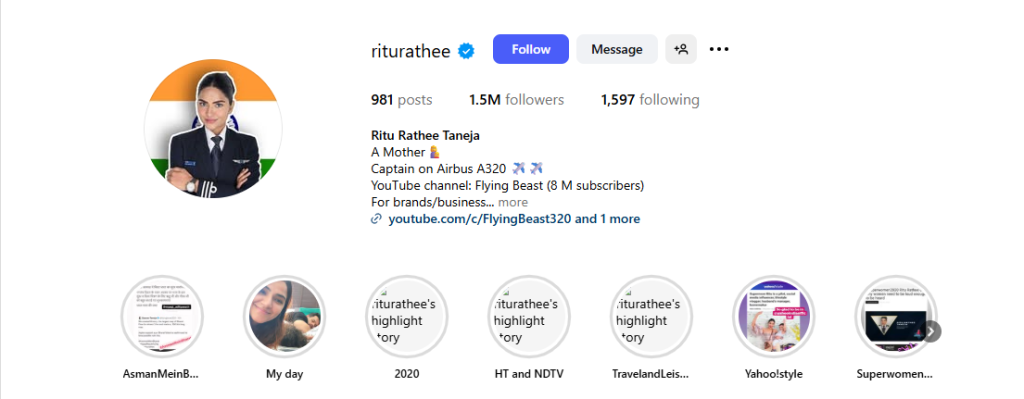
Ritu TanejaPilot, YouTuber, and mom blogger with content on daily joys and struggles of being a mother.1.7M
Masoom Minawala MehtaLifestyle and fashion blogger, known for balancing parenting and content creation.1.3M
Ishinna B. SadanaShares parenting tips and anecdotes, focusing on happy and healthy child-rearing.1.2M
Anupama Kumar Vijay AnandOffers relationship advice, counseling on pre-pregnancy, pregnancy, parenting, and breastfeeding.1.2M
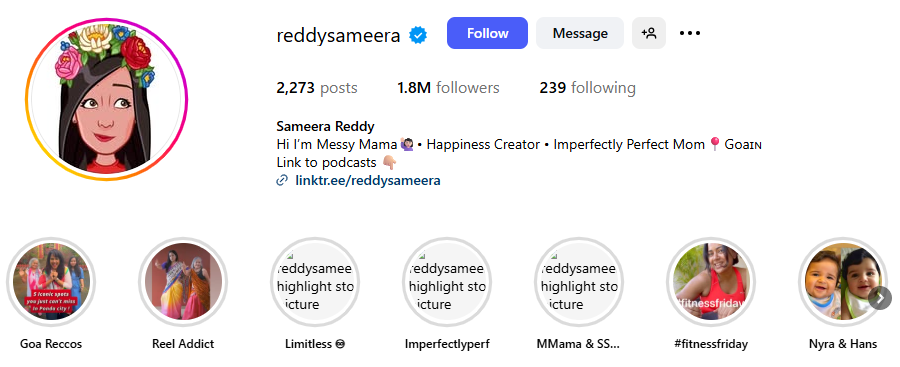
Sameera ReddyActress and mother of two, advocates self-love, postpartum bodies, and balancing work and family.1.9M
Teejay SidhuTV personality, parent blogger, and mother of three, shares personal and work life, and travel experiences.995.9K
Neha DhupiaCelebrity influencer, shares parenting journey, including breastfeeding advocacy and postpartum care.7.2M
Mili JhaveriDigital creator and mom, shares honest experiences about motherhood and parenting.1.6M
Ambica AgarwalEntrepreneur and NLP practitioner, empowers parents to raise resilient kids.1.7M
Smriti KhannaActress and content creator, shares insights on motherhood, fitness, and fashion.1.4M

Also Check Top 10 Mom Influencers in India

Top 10 Mommy Influencers in India 

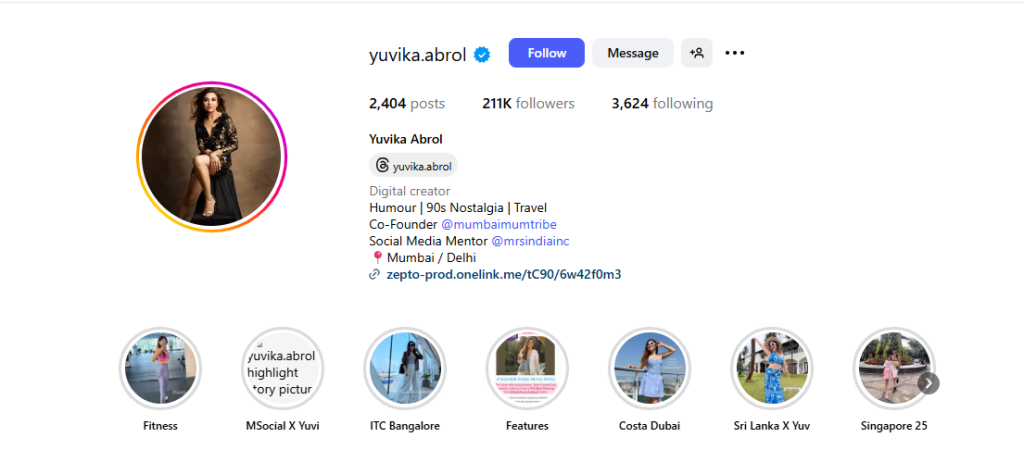
1. Yuvika Abrol – https://www.instagram.com/yuvika.abrol/   

Followers: 211k

Yuvika shares her journey of motherhood with a focus on parenting tips, lifestyle, and personal experiences. Her engaging content often includes family moments, home hacks, and wellness advice, resonating with many moms looking for relatable and practical insights.

She shares parenting tips, recipes, lifestyle content and advocates for body positivity. Her engaging style and relatable motherhood journey resonates well with her large following.

2. Chhavi Mittal – https://www.instagram.com/chhavihussein/ 

Followers: 1.3M+

A breast cancer survivor, she spreads awareness on women’s health issues through her page. Her family vlogs and messages on battling illness inspires many. 

Chhavi, known for her candid approach to motherhood, shares everything from parenting challenges to health tips. Her vibrant posts include DIYs, fitness routines, and honest discussions about balancing work and family life, fostering a supportive community.

3. Ritu Taneja – https://www.instagram.com/riturathee/ 

Followers: 436K+

Ritu’s content is centered around the everyday joys and struggles of being a mom. She provides practical parenting tips, cooking ideas, and lifestyle content, engaging her followers with authentic stories and interactive posts.

She delivers lifestyle, beauty and motherhood tips through vibrant photos and reels. Her passion for crafts and DIY engages moms looking for creative activities.

4. Riddhi Deorah – https://www.instagram.com/riddhi_deorah/  

Followers: 211K+

Riddhi focuses on blending parenting advice with stylish living. Her feed features creative home decor ideas, parenting hacks, and family adventures, appealing to followers interested in merging aesthetics with practicality.

Through her journey as a working mom, she advocates balancing career and family via insightful posts. Her content on managing stress resonates with many.

5. Kirti & Ifthi – https://www.instagram.com/namma_ooru_couple/ 

Followers: 482K+

This dynamic duo showcases their life as parents through humorous and heartfelt content. Their engaging reels and posts cover parenting tips, cultural insights, and daily life, making them popular for their relatable and entertaining approach. 

This couple shares vlogs documenting their parenting adventures. Their humorous and lighthearted videos connected with many families on the platform.

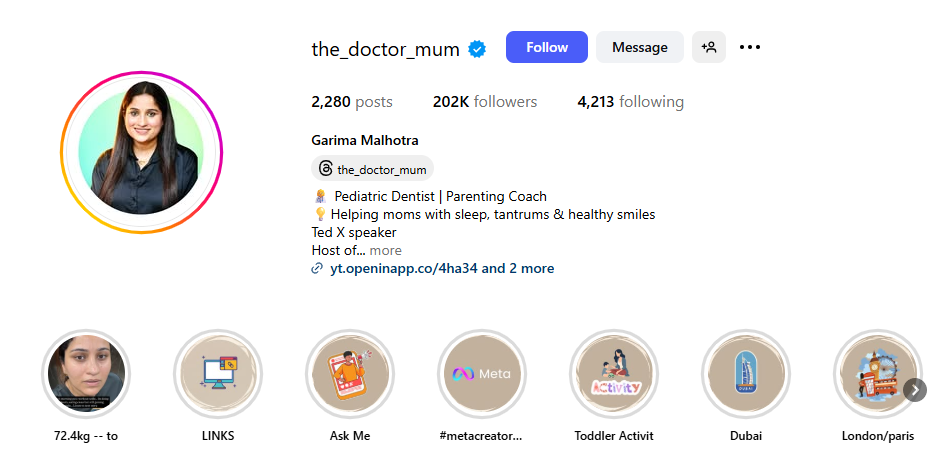
6. Dr. Garima – https://www.instagram.com/the_doctor_mum/ 

Followers: 406K+

Dr. Garima combines her medical expertise with motherhood, offering health tips and wellness advice. Her content includes informative posts on children’s health, fitness routines, and mental wellness, making her a trusted source for health-conscious moms.

She addresses common health issues through an easy Q&A format. Her medical expertise and mom perspective makes her an influential health educator.

7. Meenakshi Singh – https://www.instagram.com/decor_miniz/   

Followers: 437K+

Meenakshi specializes in home decor and lifestyle content with a focus on family-friendly spaces. Her posts feature stylish and practical home decor ideas, DIY projects, and tips for creating a beautiful living environment for families.

This interior designer shares home décor ideas perfect for families. Her reels demonstrating creative projects inspire moms to try new activities.  

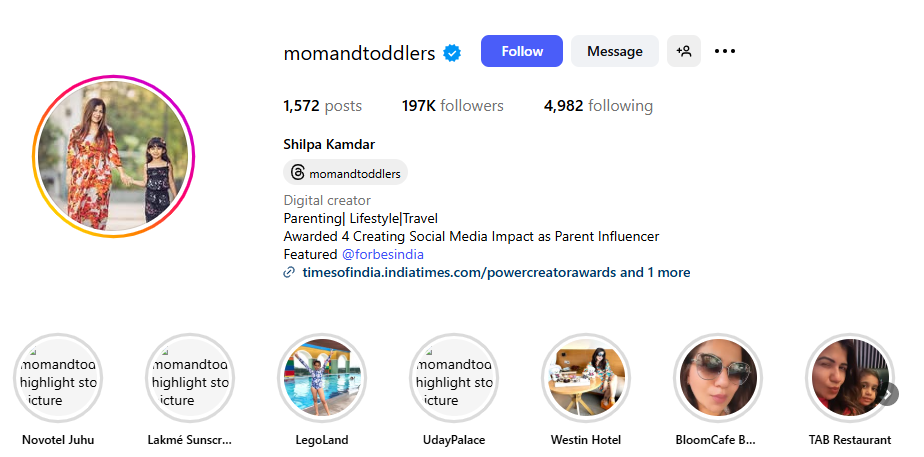
8. Shilpa Kamdar – https://www.instagram.com/momandtoddlers/ 

Followers: 163K+

Shilpa’s content revolves around parenting toddlers with a focus on early childhood development. She shares creative activities, educational tips, and parenting advice tailored to young children, engaging her audience with practical and fun ideas.

She reviews baby products and shares toddler development tips through photos and videos. Her recommendations help new moms make informed choices.

9. Sameera Reddy – https://www.instagram.com/reddysameera/   

Followers: 1M+

The actress uses her platform to normalize postpartum bodies and motherhood challenges. Her honest reflections resonate with many women.

Sameera blends her career and motherhood seamlessly, sharing insights on balancing work and family. Her posts include motivational content, fitness routines, and candid moments from her life, inspiring followers with her honest and empowering messages.

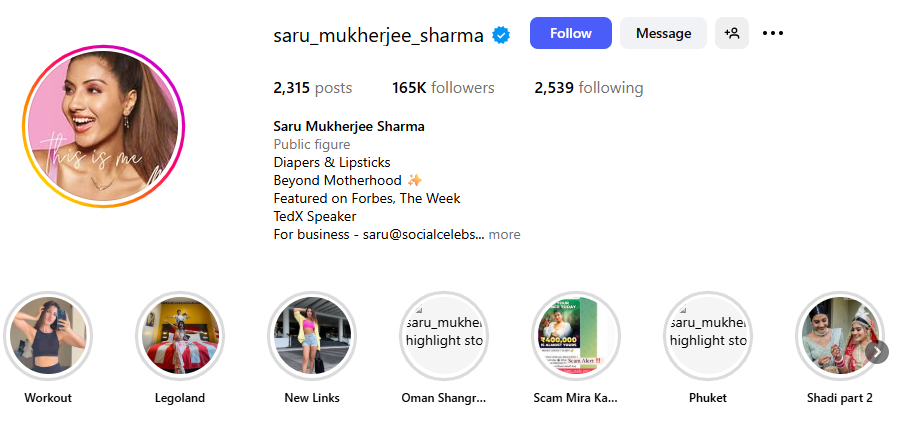
10. Satrupa Sharma – https://www.instagram.com/diapers_and_lipsticks/ 

Followers: 145K+

Satrupa provides a mix of parenting advice and lifestyle content. Her feed features everything from baby care tips and beauty routines to family travel and health, offering a well-rounded perspective on modern motherhood.

She discusses balancing motherhood and self-care through lifestyle vlogs. Her page inspires moms to prioritize their well-being alongside responsibilities.

Buzzfame – The Best Influencer Agency For Brand Collaboration 

If you’re looking to effectively partner your brand with influential creators, Buzzfame is the ideal platform to facilitate collaborative success. As a leading influencer marketing agency based in Chennai, they have extensive experience bridging connections between brands and influencers. 

Rather than a one-size-fits-all approach, Buzzfame takes the time to truly understand each client’s unique goals and audience.

Their specialised knowledge allows them to match brands with influencers who are genuinely engaging that target demographic. This targeted matching is what sets them apart and drives quantifiable results for clients.

Well-known Indian brands like Wink, Digital Scholar, VCM, Naturals, Vecura, Nippo, 1st Step, Oliva, and Levista Coffee have all benefited from Buzzfame’s strategic partnerships.

Their demonstrated track record shows how the agency nurtures win-win collaborations that increase exposure for brands and opportunities for influencers.

Whether you’re a brand looking to amplify your message or an influencer seeking brand partnerships, Buzzfame is the ideal platform to explore collaborative potential.

Their personalized service and proven success in fostering synergistic relationships make them the best choice to take your influencer marketing efforts to new heights.

Conclusion 

The field of mom influencers in India is rapidly growing as more mothers turn to social media for community and advice. The women highlighted have built engaged followings of mothers seeking relatable perspectives on parenting challenges.

They address overlooked topics and provide valuable support for moms. As social media becomes more integral, mom influencers will continue shaping how motherhood is perceived online. Brands can authentically reach target audiences through partnering with top influencers.

Overall, the rise of mom influencers is empowering mothers while transforming influencer marketing through more strategic, mutually beneficial collaborations.

FAQs

Who is the mommy influencer in India?
A prominent mommy influencer in India is Ami Desai, recognised for her engaging content on parenting.

Which mom has the highest Instagram followers in India?
As of 2024, the mommy influencer with the highest Instagram followers in India is Sameera Reddy.

Who is India’s biggest influencer?
India’s biggest influencer, known for commanding a massive following, is the cricketer Virat Kohli with over 240 million followers.

What are mommy influencers?
Mommy influencers are creators who share insights, experiences, and tips related to motherhood and parenting, often engaging with their audiences on platforms like Instagram.

Who are the top mom influencers in India?
Top mom influencers in India include Shraddha Singh, Harpreet Suri, and Mansi Zaveri. These mom creators share parenting tips, lifestyle content, and product reviews. As leading social media moms, they influence thousands of parents and collaborate with top brands.

Which mom has the highest Instagram followers in India?
Harpreet Suri, also known as @momwearsprada, is one of the top mom influencers on Instagram in India with a massive following. Her stylish take on motherhood and lifestyle makes her one of the most followed parent influencers India has seen.

Who are the best working mom influencers in India?
Some top working mom influencers in India include Shraddha Singh and Mansi Zaveri. These mom creators balance careers and parenting while sharing relatable content. Their honest take on work-life balance makes them top social media moms in India.

What type of content do mom influencers share?
Mom influencers on Instagram in India post parenting advice, product reviews, family vlogs, and self-care tips. These parent influencers in India offer relatable and useful content for fellow moms, making them trusted voices in the parenting and lifestyle space.

Are mom creators in India collaborating with brands?
Yes, most top mom influencers collaborate with baby care, fashion, and lifestyle brands. These social media moms help brands reach engaged audiences by promoting products with authenticity and trust, making mom creators valuable for influencer marketing campaigns.

Where can I follow mom influencers on Instagram?
You can follow top mom influencers on Instagram like @momwearsprada, @momsaysbadwords, and @kidsstoppress. These social media moms post daily updates, parenting hacks, and lifestyle content, making them among the most engaging parent influencers in India today.

Why are mom influencers popular in India?
Mom influencers are popular in India because they offer real, relatable parenting insights. These mom creators share personal journeys, challenges, and solutions, creating a trusted community. As top parenting influencers, they have strong engagement and influence among Indian moms.

What makes a successful mom influencer?
A successful mom influencer combines authenticity, consistency, and valuable content. Top mom creators share parenting experiences, lifestyle choices, and useful recommendations. Their credibility and relatability make them ideal social media moms for collaborations and campaigns with parenting brands in India.

How do brands benefit from working with mom influencers?
Brands benefit from working with mom influencers by gaining access to loyal and niche audiences. These parent influencers in India offer high engagement rates, trusted recommendations, and personal storytelling, making them ideal partners for parenting and family-oriented brand campaigns.

Are there mom influencers from different cities in India?
Yes, India’s top mom influencers come from major cities like Mumbai, Delhi, Bangalore, and Hyderabad. These social media moms bring regional parenting perspectives and connect with diverse audiences, expanding their reach across India’s digital parenting and mom creator community.

Top 20 Food Influencers in India – 2026

Food is an Emotion in India

Every Indian has a food story. It could be a childhood memory tied to a Sunday meal, a street snack eaten after school, or a recipe passed down quietly through generations. In recent years, these stories have found a new home online. The rise of food influencers in India marks a cultural shift. Food content today is no longer limited to polished restaurant reviews or celebrity chefs. Alongside them, India’s best food critics and seasoned food bloggers in India continue to add depth and credibility. Meanwhile, YouTube has enabled long-form storytelling, helping creators reach millions through step-by-step cooking, travel-based food journeys, and regional cuisine documentation.

This blog brings all of these voices together. It is a curated look at the creators shaping India’s food narrative today, not just through popularity, but through consistency, trust, and storytelling.

Our Favourite Food Influencers in India

Influencer NameNiche / StyleContent ApproachNoteworthy AspectsFollowers (Instagram)
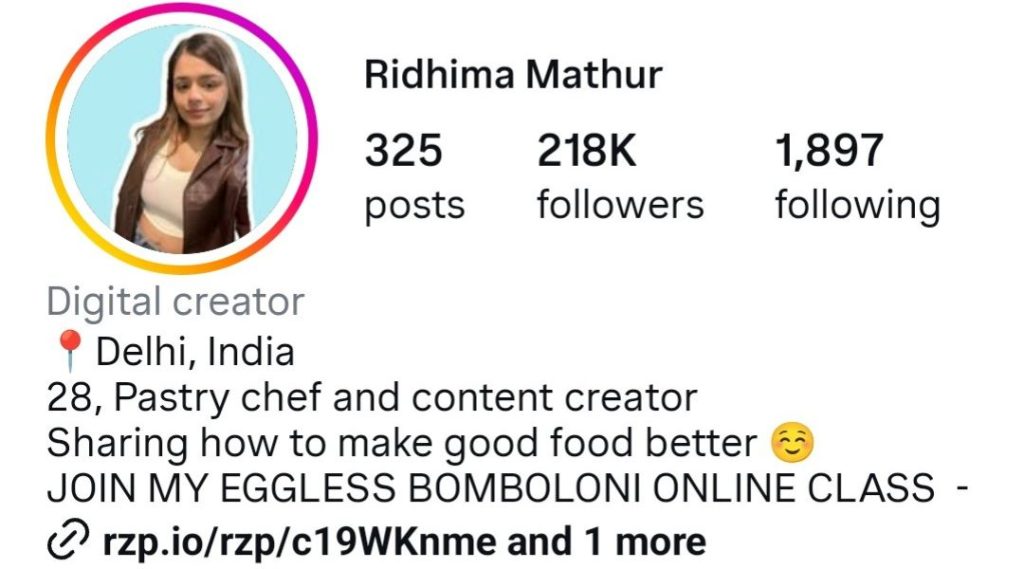
Ridhima Mathur (Madam Butterfingers)Home-style cooking, nostalgic storytellingEmotion-led, personal, comfort-drivenFocuses on comfort-driven recipes rooted in everyday Indian kitchens.218K
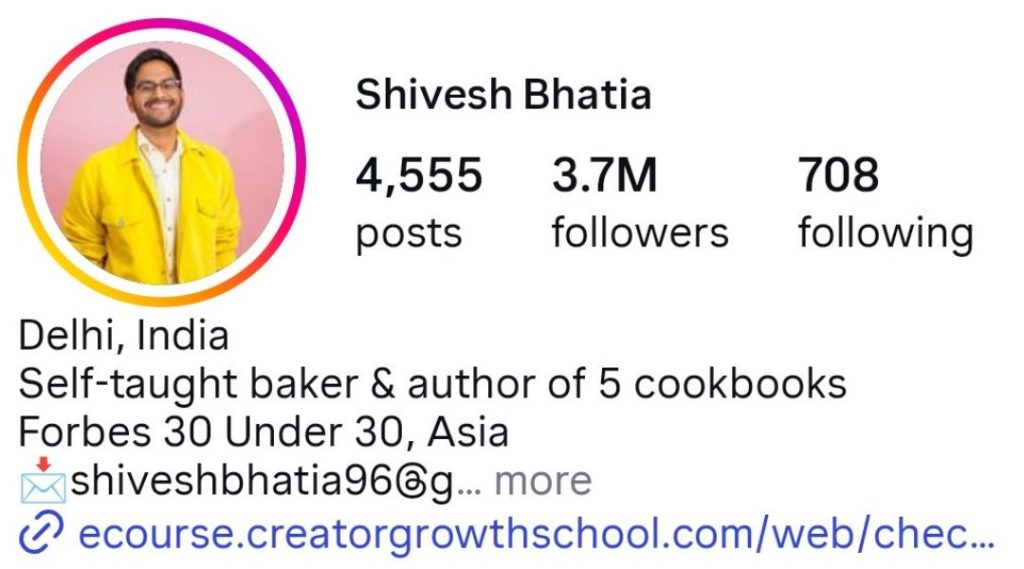
Shivesh BhatiaBaking, desserts, aesthetic foodVisual-first, instructionalPopular for visually refined desserts and approachable baking.3.7M
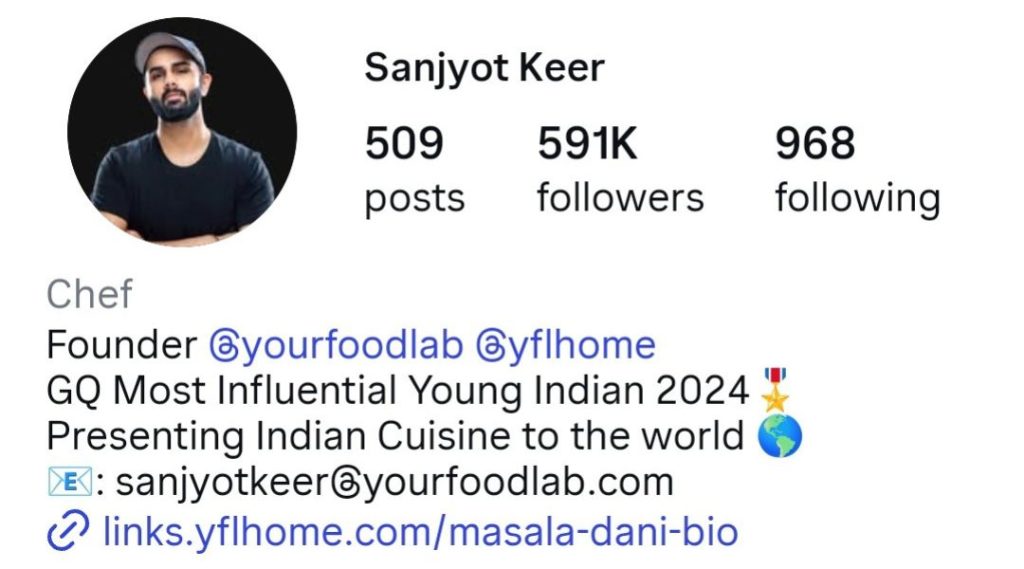
Sanjyot Keer (Your Food Lab)Structured cooking, Indian recipesStep-by-step, technique-focusedCombines chef-level technique with home-kitchen practicality.3.8M
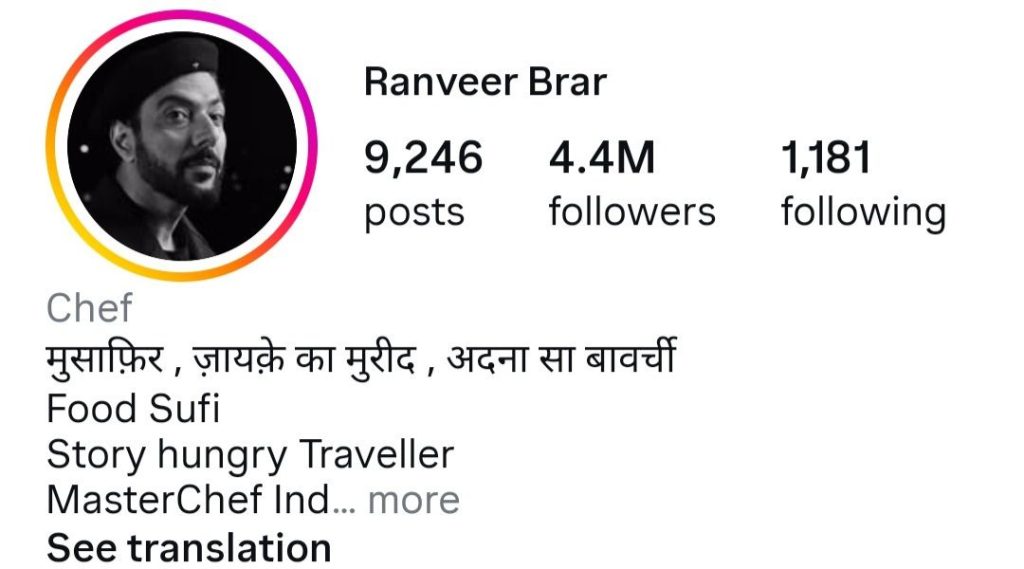
Ranveer BrarCulinary storytelling, Indian heritageNarrative-driven, educationalExplores food history, culture, and regional narratives.4.4M
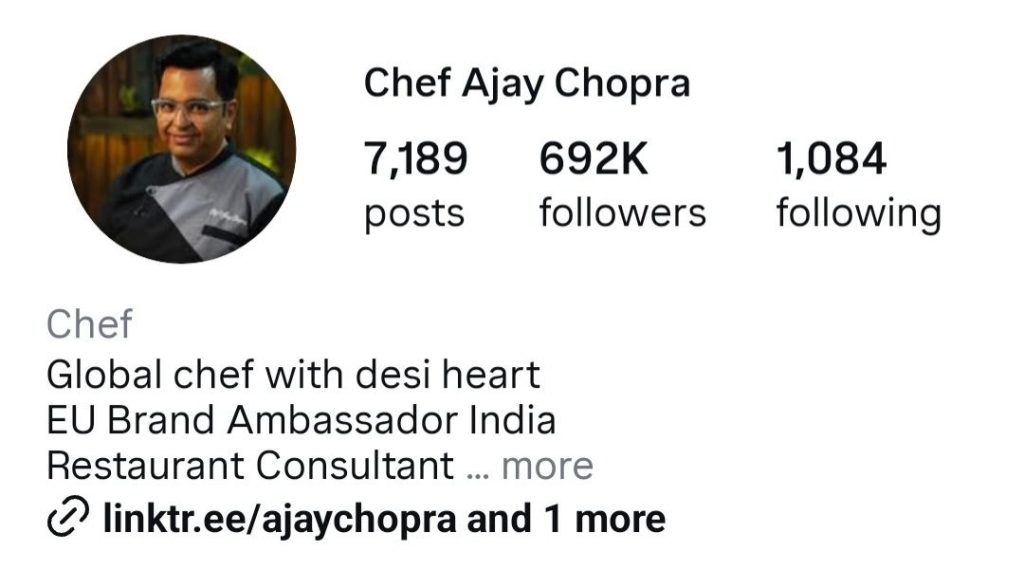
Ajay ChopraProfessional cooking, home adaptationsPractical, confidence-ledTranslates restaurant-style dishes for home cooks.691K
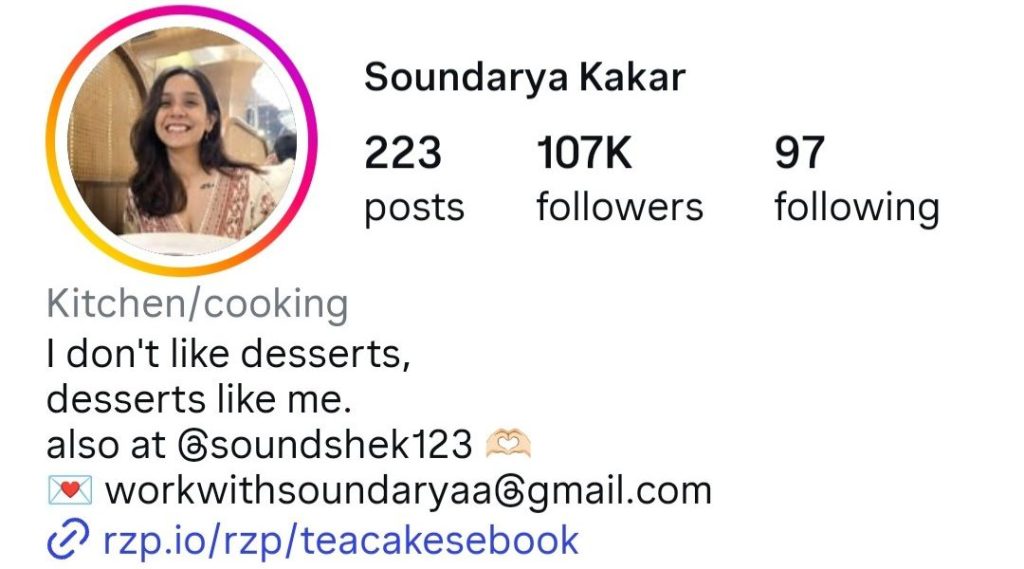
Soundarya Kakar (Wine and Whinee)Food, wine, lifestyle experiencesExperiential, refinedFocuses on food as a lifestyle experience and travel.106K
Sumit & Priyanka Kapoor (Dilli Foodies)Street food, local discoveryObservational, culture-firstDocuments Delhi’s street food culture with authenticity.2.3M
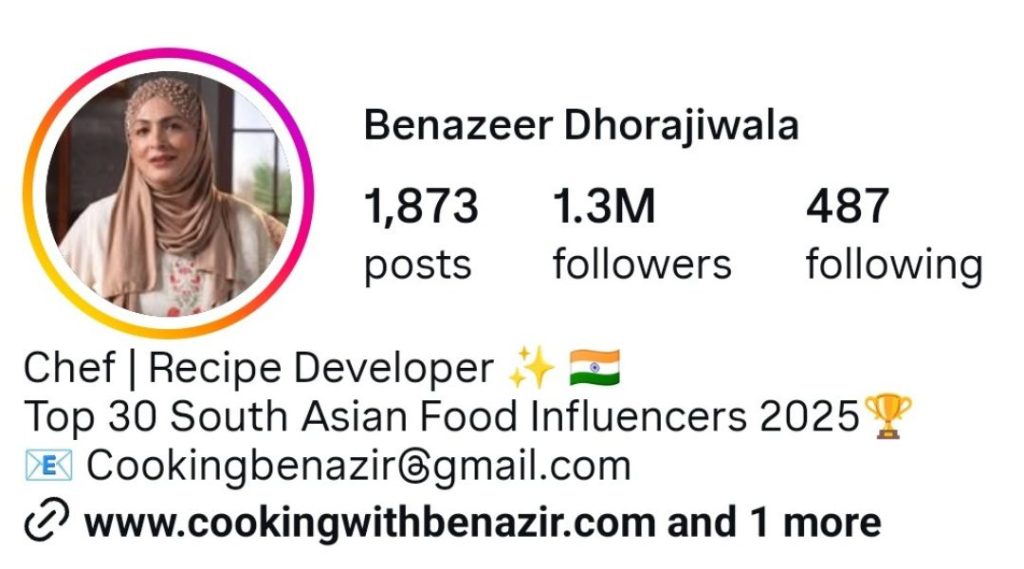
Benazeer DhorajiwalaHome cooking, everyday mealsSimple, reassuringKnown for simple, no-frills recipes; trusted by beginners.1.3M
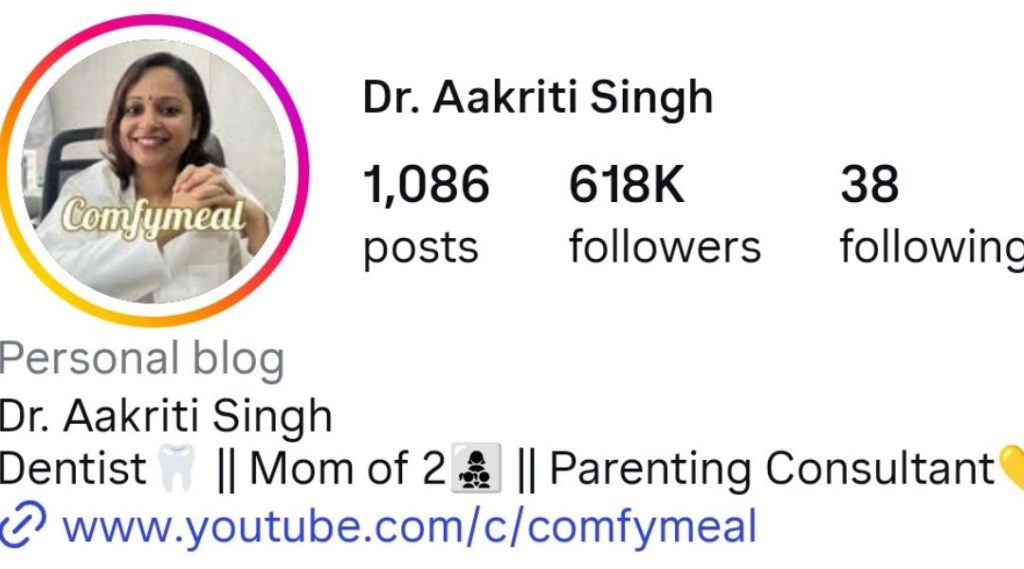
Dr Aakriti Singh (Comfy Meal)Nutrition-led comfort foodBalanced, informativeBlends health and nutrition into practical meal guidance.618K
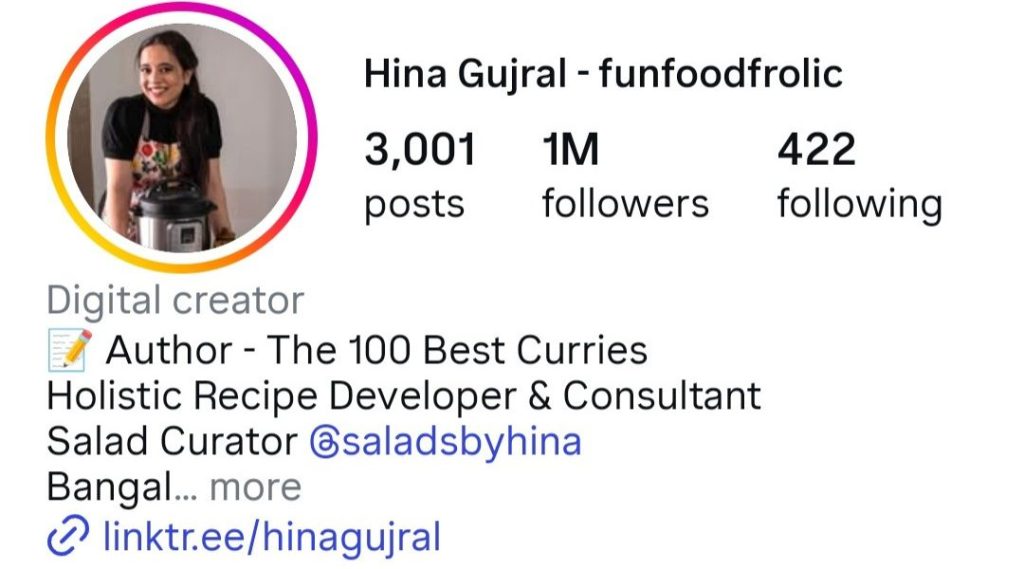
Hina GujralFood travel, regional cuisineContextual, exploratoryConnects food with travel and regional culture.1M
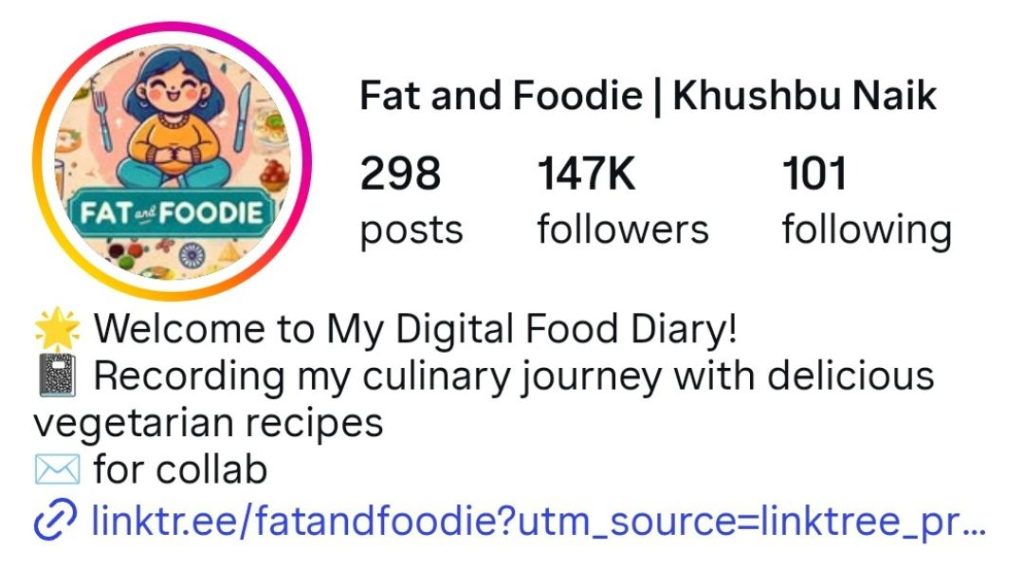
Khushbu Naik (Fat and Foodie)Restaurant food, indulgent eatingHonest, indulgence-ledCelebrates indulgent food enjoyment without guilt.146K
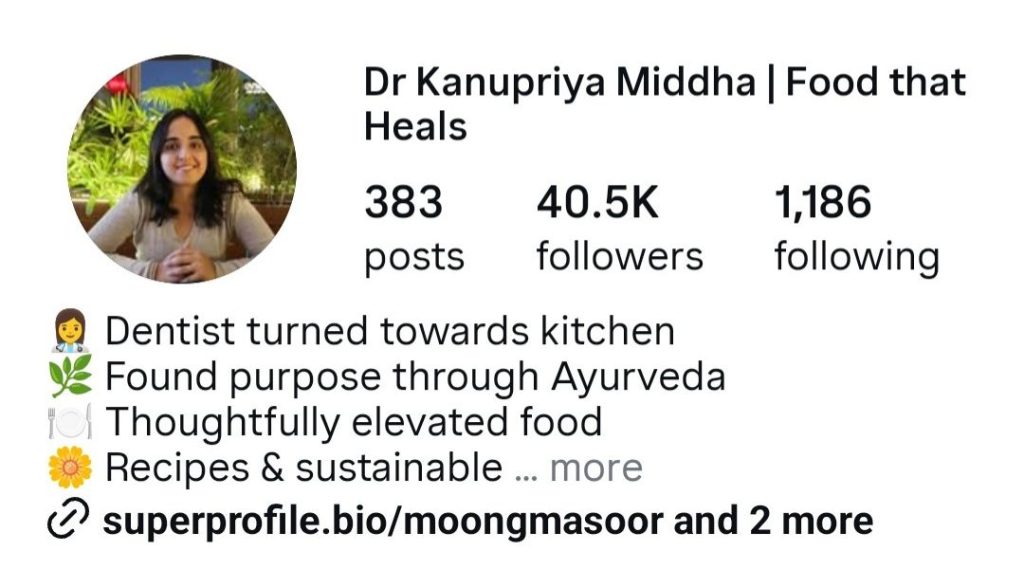
Dr Kanupriya Middha (Moong Masoor)Health-conscious Indian cookingEducational, accessibleLinks nutrition science with everyday Indian ingredients.40.6K
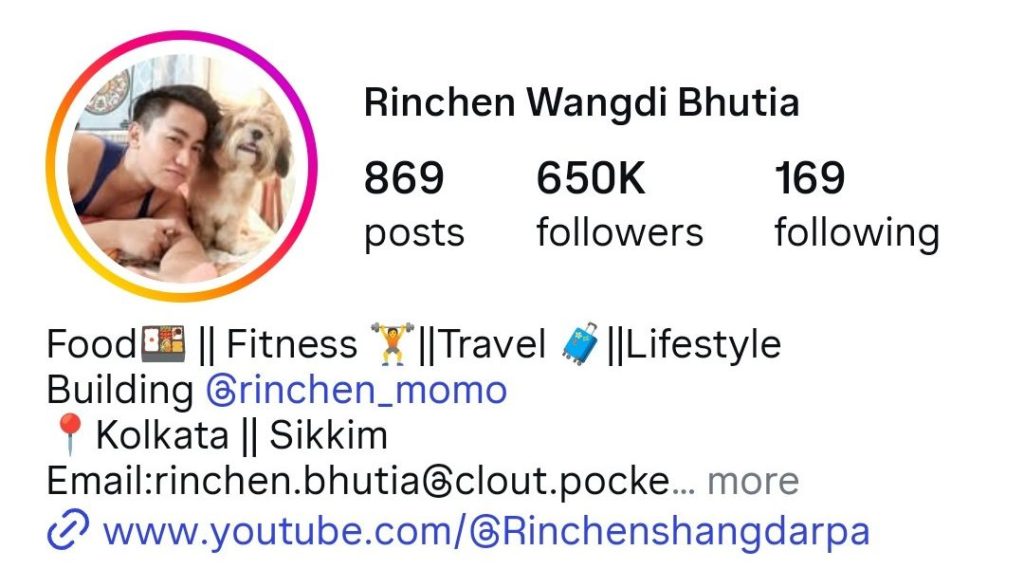
Rinchen Wangdi BhutiaRegional & traditional cuisineCulture-focused, preservation-ledHighlights lesser-seen regional dishes and diversity.647K
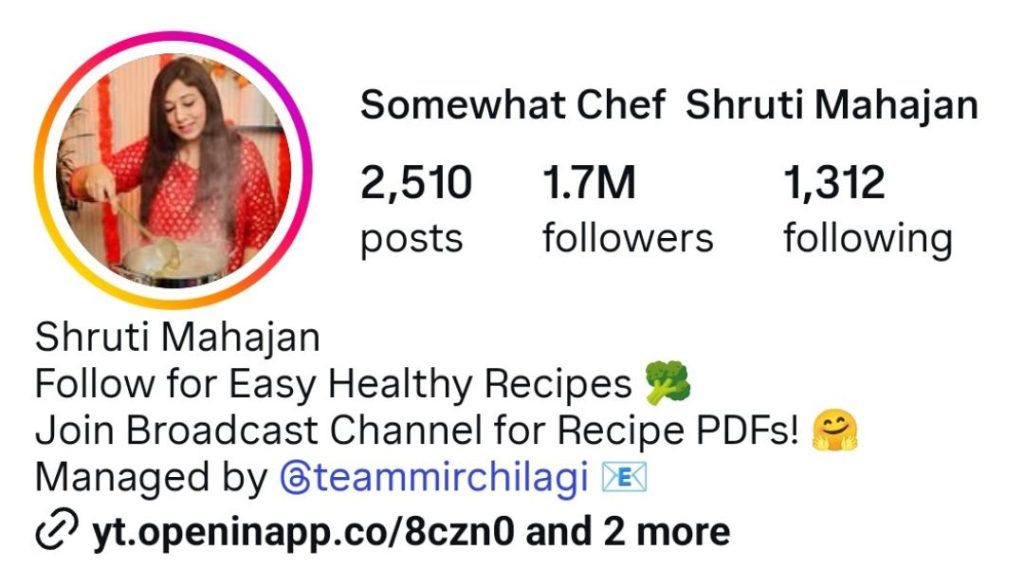
Shruti Mahajan (Somewhat Chef)Experimental, personal cookingProcess-driven, honestShares an honest, learning-driven cooking journey.1.7M
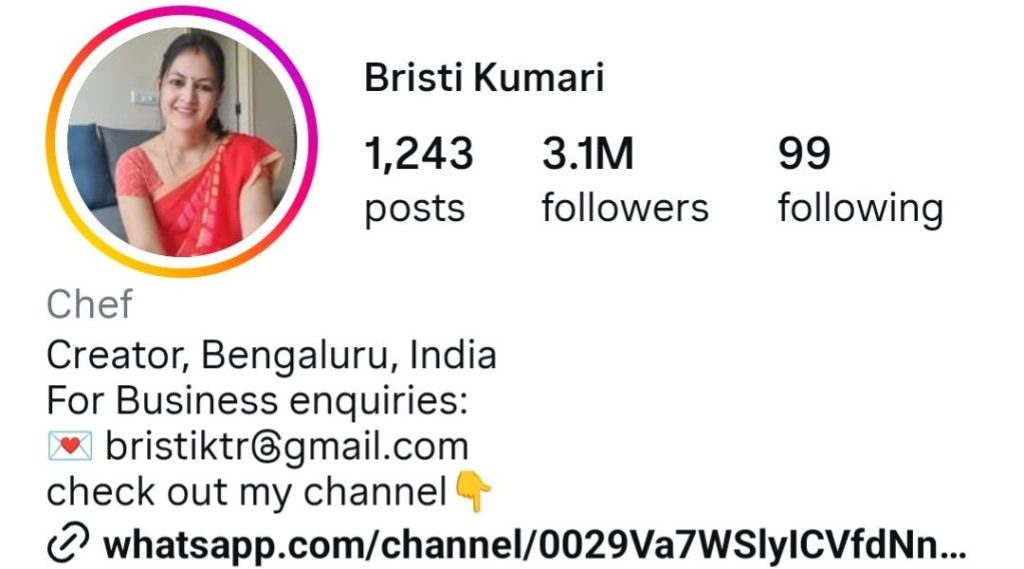
Bristi Kumari (Bristi Home Kitchen)Home-style comfort foodFamiliar, trust-basedResonates strongly with everyday Indian households.3.1M
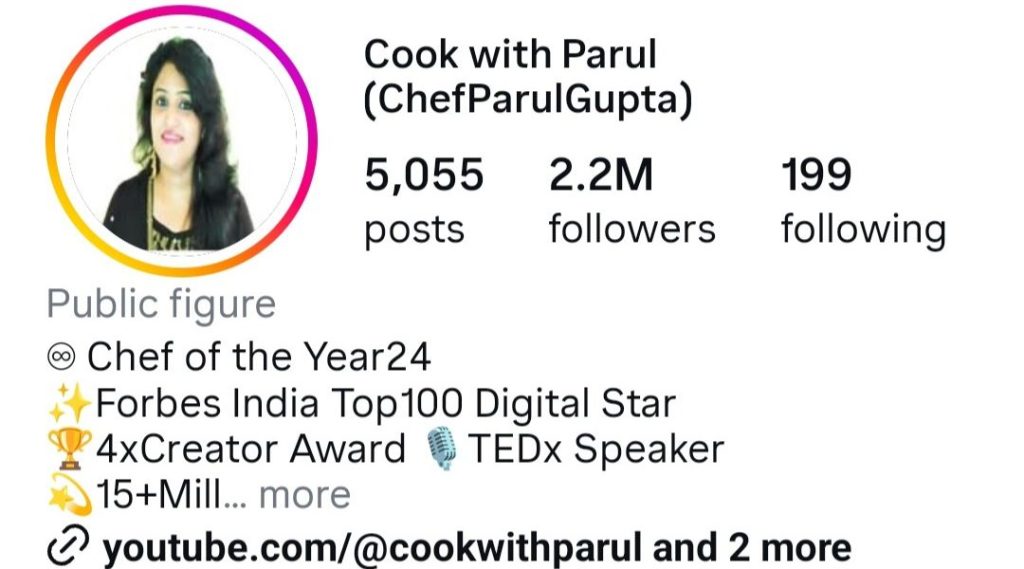
Parul Gupta (Cook with Parul)Everyday meals, quick recipesEfficiency-focusedHighly followed for time-efficient, reliable daily recipes.2.2M
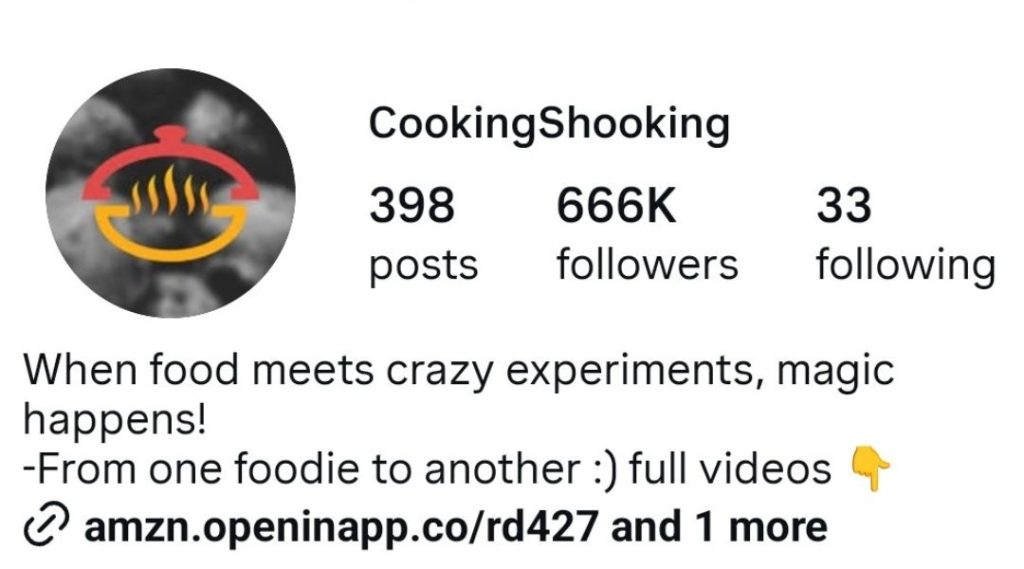
Yaman Agarwal (Cooking Shooking)Modern cooking, experimentationContemporary, youth-drivenFocuses on contemporary presentation and experimentation.664K
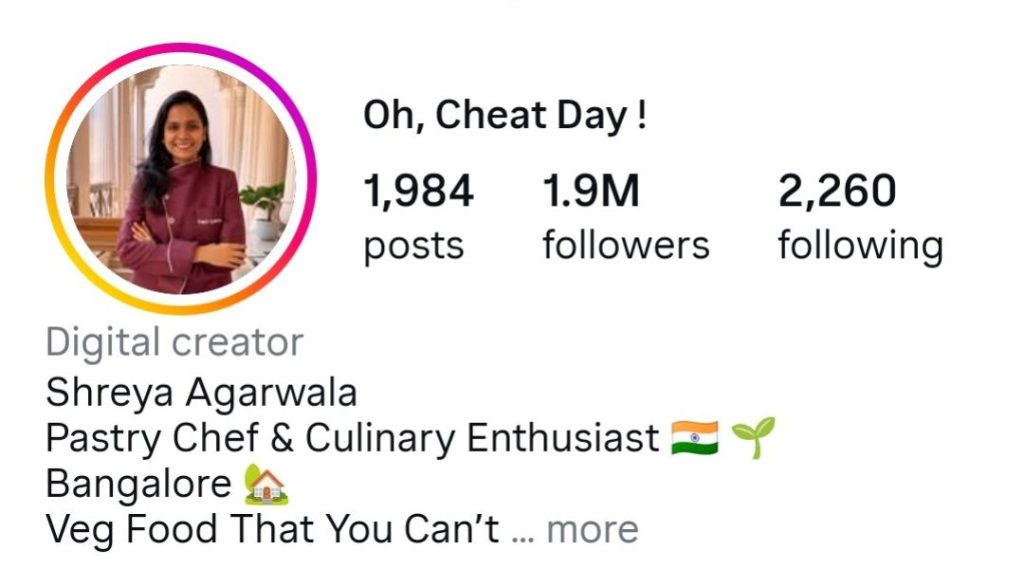
Shreya Agarwala (Oh Cheat Day)Desserts, indulgent foodCelebration-ledCelebrates “cheat-day” culture and food as pleasure.1.9M
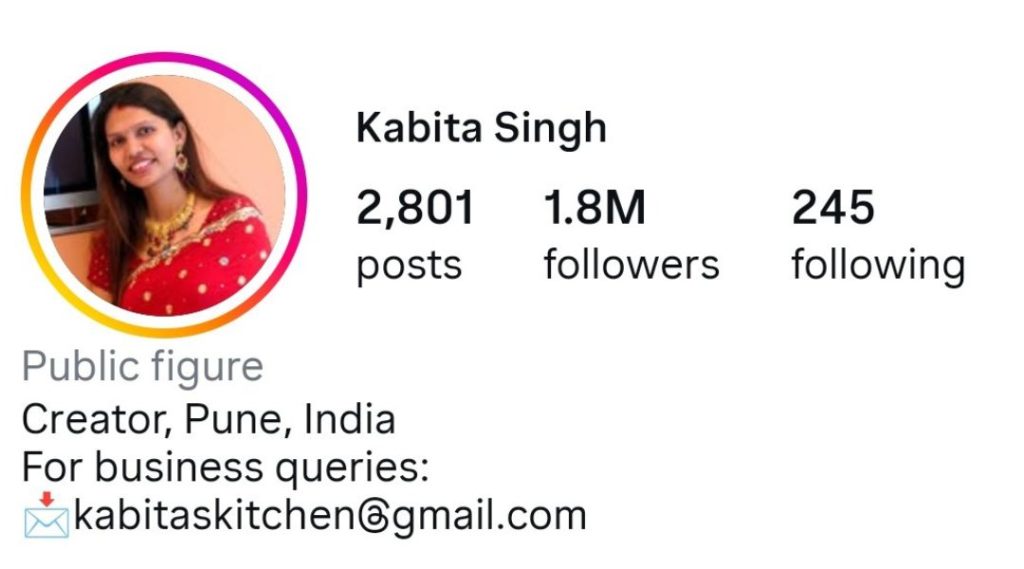
Kabita Singh (Kabita’s Kitchen)Traditional home cookingCalm, instructionalTrusted household name known for calm consistency.1.8M
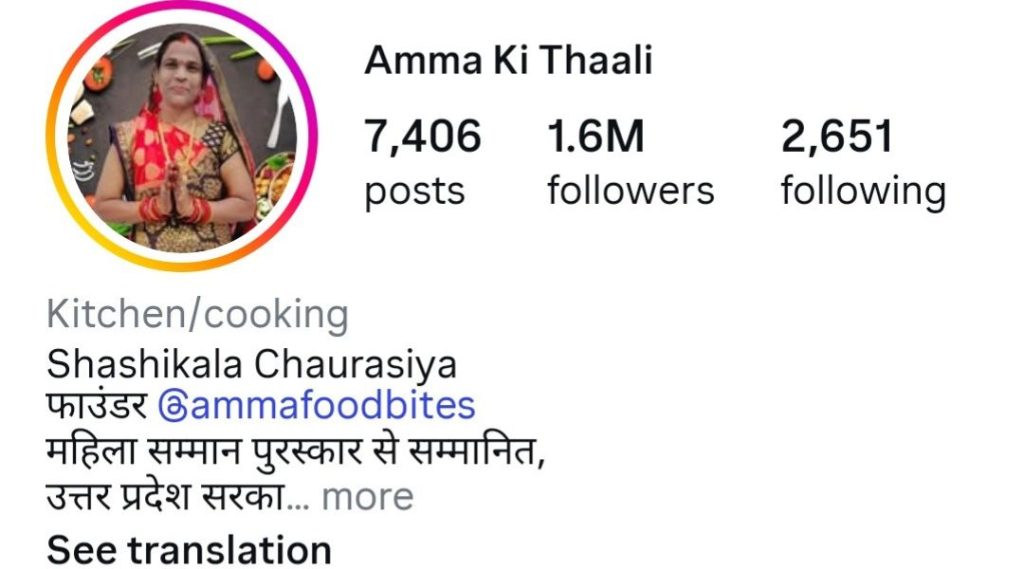
Shashikala Chaurasiya (Amma Ki Thaali)Heritage, regional IndianHeritage-focusedPreserves heritage recipes and slow-cooked traditions.1.5M

Top 20 Food Influencers in India

1. Ridhima Mathur

Ridhima Mathur

Ridhima’s content feels like flipping through a warm, well-lived recipe journal. Her storytelling is rooted in home cooking, nostalgia, and everyday food moments that feel deeply familiar to Indian households. What sets her apart is the comfort she brings to food, simple recipes, honest flavours, and an inviting tone that makes followers feel like they’re cooking alongside her.

Basic Details

2. Shivesh Bhatia

Shivesh Bhatia

Shivesh has carved out a distinct identity in India’s food-creator space through visually stunning desserts and baked goods. His feed reads like a modern dessert diary, blending approachable recipes with aesthetic precision. Followers trust him not just for indulgence but for clarity. He makes baking feel easy, mouthwatering and simple. His ‘No Oven No Problem’ series is and has been an all-time favourite

Basic Details

3. Sanjyot Keer

Sanjyot Keer 

Sanjyot’s rise reflects India’s growing appetite for structured, well-explained cooking content. His videos combine chef-level technique with home-kitchen practicality. From festive dishes to everyday meals, his storytelling is instructional yet engaging, earning him a place among the most influential food influencers in India.

Basic Details

4. Ranveer Brar

Ranveer Brar

Ranveer Brar brings authority, heritage, and narrative depth to food content. His storytelling often goes beyond recipes, exploring the history, emotion, and regional roots behind Indian cuisine. Audiences follow him for perspective as much as for cooking, making him one of the most recognisable names in Indian food culture.

Basic Details

5. Ajay Chopra

Chef Ajay Chopra’s content balances professional expertise with everyday relatability. His approach demystifies restaurant-style cooking, translating it for home kitchens. Followers appreciate his straightforward explanations and the confidence he brings to traditional and contemporary Indian dishes.

Basic Details

6. Soundarya Kakar

Soundarya Kakar

Soundarya’s content sits at the intersection of food, wine, and lifestyle. Her feed reflects refined taste, focusing on pairings, experiences, and culinary exploration. She appeals to audiences who view food as part of a broader lifestyle narrative rather than just a form of consumption.

Basic Details

7. Sumit & Priyanka Kapoor

Sumit & Priyanka Kapoor 

This creator duo documents Delhi’s vibrant food scene with authenticity and enthusiasm. Their storytelling captures street food culture, local favourites, and hidden gems, making followers feel like they’re discovering the city bite by bite.

Basic Details

8. Benazeer Dhorajiwala

Benazeer Dhorajiwala

Benazeer’s strength lies in her simplicity. Her recipes focus on everyday Indian meals, explained with clarity and patience. Followers value her no-frills approach, which makes cooking feel accessible and reassuring, especially for beginners.

Basic Details

9. Dr Aakriti Singh

Dr Aakriti Singh

Dr Aakriti, with her expertise blends nutrition, comfort food, and mindful eating into a cohesive narrative. Her content reflects a balanced approach to food, one that values health without sacrificing taste, because kids love what they love – the taste.

Basic Details

10. Hina Gujral

Hina’s content thrives on exploration. Her feed captures regional Indian food, travel-based eating experiences, and cultural context. Followers enjoy her ability to connect cuisine with place, tradition, and memory.

Basic Details

11. Khushbu Naik

Khushbu Naik

Khushbu’s storytelling celebrates indulgence without guilt. Her content leans into honest food enjoyment, restaurant discoveries, and visually rich dishes. Followers resonate with her unapologetic love for food and flavour.

Basic Details

12. Dr Kanupriya Middha 

Dr Kanupriya’s platform focuses on thoughtful, health-conscious cooking rooted in Indian ingredients. Her storytelling often connects nutrition science with everyday meals, making her content very informative and homey.

Basic Details

13. Rinchen Wangdi Bhutia 

Rinchen brings regional diversity to the Indian food influencer landscape. His content highlights lesser-seen cuisines and traditional preparations, offering followers a deeper look into India’s culinary variety.

Basic Details

14. Shruti Mahajan 

Shruti Mahajan

Shruti’s content feels personal and experimental. Her storytelling reflects learning, curiosity, and creativity in the kitchen. Followers appreciate her honest approach to cooking as a process rather than a performance.

Basic Details

15. Bristi Kumari

Bristi Kumari

Bristi’s rise showcases the power of home-style cooking content. Her videos focus on simple, comforting recipes that resonate with Indian households. Her storytelling is grounded in familiarity and trust.

Basic Details

16. Parul Gupta 

Parul’s platform is built on consistency and clarity. Her recipes are practical, time-efficient, and tailored for everyday cooking. Audiences follow her for dependable solutions to daily meal planning.

Basic Details

17. Yaman Agarwal 

Yaman’s content leans into experimentation and modern food presentation. His storytelling reflects a contemporary take on cooking, appealing to younger audiences exploring food beyond tradition.

Basic Details

18. Shreya Agarwala 

Shreya’s platform celebrates indulgence, desserts, and cheat-day culture. Her storytelling frames food as pleasure and celebration, making her content aspirational yet relatable.

Basic Details

19. Kabita Singh

Kabita Singh

Kabita’s influence is rooted in trust. Her calm, instructional style has made her a household name among Indian home cooks. Followers rely on her for dependable recipes and clear guidance.

Basic Details

20. Shashikala Chaurasiya 

Shashikala Chaurasiya

Shashikala’s content preserves regional and traditional Indian cooking. Her storytelling honours heritage, slow cooking, and cultural memory, offering followers a connection to food beyond trends.

Basic Details

India’s Best Food Critics & Food Bloggers in India

Food influence is not only about virality. It is also about perspective, credibility, and context. This is where critics and long-form bloggers continue to play a defining role in India’s food ecosystem.

Food Critics

Vir Sanghvi (@virsanghvi)

Vir Sanghvi has long been a defining voice in Indian food writing. His perspective blends journalism, travel, and culinary insight, offering readers context beyond the plate. Audiences follow him for his deep understanding of food culture, restaurants, and the evolution of dining in India.

Marryam H Reshii (@marryam)

Marryam’s writing is personal, thoughtful, and deeply observant. She approaches food as a cultural and emotional experience rather than just a review subject. Her influence lies in her ability to connect food with memory, identity, and everyday life.

Ruth D’Souza Prabhu (@therdplife)

Ruth’s work reflects years of food writing grounded in experience. Her reviews focus on honesty and nuance, appealing to readers who value credibility over hype. She brings structure and depth to India’s food conversation.

Amar Sirohi (@foodie_incarnate)

Amar combines digital storytelling with critical insight. His content explores restaurants, cuisines, and dining trends, offering followers a balanced view of the food landscape through informed observation.

Anil Mulchandani (@writeranil)

Anil’s writing focuses on storytelling through food, often weaving in history, travel, and human connection. His influence comes from the narrative depth he brings to Indian cuisine and dining experiences.

Food Bloggers in India

Kalyan Karmakar (@thefinelychopped)

Kalyan is among the pioneers of food blogging in India. His long-form writing captures the intersection of food, travel, and culture, offering readers a perspective rather than quick consumption.

Mehul Hingu (@streetfoodrecipe)

Mehul focuses on recreating street food flavours at home. His content resonates with audiences who want authenticity without complexity, making regional street food accessible to everyday kitchens.

Aditya Yadav (@foodwalebhaiya)

Aditya’s work revolves around discovery. His storytelling captures local food finds, casual dining, and everyday eating experiences that reflect how most Indians explore food.

Ankush Dureja (@foodie_bite_)

Ankush documents food through a lens of curiosity and exploration. His content often highlights trending dishes, restaurants, and street food culture, appealing to urban food enthusiasts.

Arjun Chauhan (@oye.foodieee)

Arjun’s platform focuses on approachable food discovery. His storytelling keeps food casual, relatable, and rooted in real experiences rather than curated perfection.

Top Indian Food Influencers on YouTube

YouTube remains one of the strongest platforms for food education and long-form culinary storytelling in India. These creators have built massive, loyal audiences by teaching, explaining, and preserving food traditions through video.

Nisha Madhulika

Nisha Madhulika’s influence spans generations. Her calm, methodical teaching style has made Indian home cooking accessible to millions. She is widely trusted for traditional vegetarian recipes and kitchen wisdom.

YouTube: @nishamadhulika

Sanjeev Kapoor

A household name, Sanjeev Kapoor bridges television-era authority with digital reach. His channel combines professional expertise with home-friendly recipes, reinforcing his legacy as one of India’s most influential culinary figures.

YouTube: @sanjeevkapoorkhazana

Kunal Kapur

Kunal Kapur’s content blends storytelling with modern Indian cooking. His videos often focus on technique, presentation, and innovation while remaining rooted in Indian flavours.

YouTube: @KunalKapur

Hebbars Kitchen

Hebbars Kitchen is known for clarity and precision. Their step-by-step videos focus on simplicity and consistency, making them a go-to resource for everyday Indian recipes.

YouTube: @hebbars.kitchen

Archana’s Kitchen

Archana’s Kitchen blends home cooking with nutrition-conscious choices. The channel focuses on practical meals, meal planning, and balanced cooking for Indian households.

YouTube: @archanaskitchen

Meet BuzzFame

BuzzFame is where brands and creators actually get each other. We don’t believe in random shoutouts or forced collaborations. Instead, we build influencer campaigns that feel natural, engaging, and worth paying attention to.

At BuzzFame, influence is not just about numbers. It’s about storytelling, trust, and creating moments that audiences remember, and brands benefit from. 

  • We’ve partnered with 50+ well-known Indian brands
  • We work with a strong network of 3,000+ influencers across food, beauty, lifestyle, wellness, and more
  • Campaigns that have generated over 50 million reach across platforms, driven by content audiences genuinely enjoy.
  • Our Case Studies

The Stories Shaping India’s Food Culture Today

India’s food landscape is vast, emotional, and constantly evolving. The creators featured in this blog represent different layers of that journey, from quick digital inspiration to deep culinary critique. Together, they show how food content in India has grown from recipes and reviews into meaningful storytelling.

Whether you follow them for cooking ideas, dining inspiration, cultural insight, or sheer love of food, these voices define what it means to be influential today. As food continues to shape lifestyle choices, these food influencers in India, critics, and bloggers will remain at the heart of how stories are shared, one plate at a time.

FAQs

Who are the most popular food influencers in India?

Food influencers in India include a wide mix of home cooks, professional chefs, bakers, street-food explorers, nutrition-focused creators, and restaurant reviewers. They share recipes, cooking tips, food discoveries, and culinary stories across platforms like Instagram and YouTube, influencing how audiences cook at home, choose restaurants, and explore regional cuisines.

How are food bloggers in India different from food influencers?

Food bloggers in India typically focus on long-form storytelling, detailed reviews, and cultural context around food. Their content is often text-led or editorial in nature. Food influencers, on the other hand, prioritise visual-first platforms, using short videos and images to engage audiences quickly and build influence through consistent social media presence.

Who is considered India’s best food critic?

India does not have a single universally recognised “best” food critic. Instead, several writers and reviewers have earned credibility over time through consistent food writing, honest reviews, and deep understanding of cuisine. Their authority comes from experience, perspective, and long-term contribution to India’s food and dining conversations.

Are food influencers in India reliable for restaurant recommendations?

Food influencers in India can be reliable when they maintain transparency, consistency, and clear disclosure practices. Trust depends less on follower count and more on how honestly creators share their experiences. Audiences often value influencers who balance positive recommendations with context, personal taste, and genuine storytelling.

Why are YouTube food creators so popular in India?

YouTube suits Indian cooking styles because it allows step-by-step explanations, longer videos, and detailed demonstrations. Indian recipes often involve multiple stages, techniques, and variations, which are easier to explain through video. This format also helps preserve traditional recipes and makes learning accessible across age groups.

Can brands collaborate with food bloggers in India?

Yes, brands frequently collaborate with food bloggers in India for authentic storytelling, recipe integration, and in-depth product features. Bloggers are especially effective for brands seeking credibility, education, and long-term value, as their content often remains discoverable and relevant well beyond short social media campaigns.

How do food influencers impact consumer choices?

Food influencers shape consumer behaviour by influencing what people cook, where they eat, and which products they try. Through relatable content and real-life demonstrations, they help audiences visualise usage and outcomes, making food-related decisions feel more informed, accessible, and trustworthy.

Are home cooks as influential as professional chefs online?

Yes, many home cooks are equally influential online because of their relatability and practical approach. Audiences often connect more easily with everyday kitchens, simple tools, and achievable recipes. This accessibility helps home cooks build strong communities and trust, sometimes rivaling professionally trained chefs in influence.

What platforms are best for food creators in India?

Instagram and YouTube are currently the most effective platforms for food creators in India. Instagram works well for short videos, discovery, and visual appeal, while YouTube supports detailed tutorials, long-form storytelling, and evergreen cooking content that continues to attract viewers over time.

Why is food content growing rapidly in India?

Food content is growing rapidly in India because it connects culture, tradition, lifestyle, and emotion. As audiences seek inspiration, convenience, and authenticity, food creators fill that gap by combining storytelling with utility. Increased internet access and video consumption have further accelerated this growth across platforms.

Who is the best food critic of India?

Rashmi Uday Singh is widely regarded as India’s best food critic. With her expertise in culinary reviews, she offers insightful opinions on restaurants and food trends, making her a trusted figure in the Indian food industry.

Who is the biggest food influencer in India?

Nisha Madhulika is one of India’s biggest food influencers. She has a massive following, especially for her vegetarian recipes, which she shares on YouTube, catering to a wide audience of home cooks and food lovers.

Who is the best food review guy?

Kunal Kapur is one of the best food review influencers in India. A celebrity chef, he provides detailed and engaging reviews, offering food enthusiasts valuable insights on both traditional and modern Indian dishes.

Who is the top 10 chef in India?

Top chefs in India include Sanjeev Kapoor, Ranveer Brar, Kunal Kapur, and Vikas Khanna. These chefs are renowned for their culinary expertise, television shows, and contributions to the Indian food industry.

Who is the No. 1 food vlogger in India?

The No. 1 food vlogger in India is Sanjeev Kapoor, known for his extensive cooking videos, recipes, and food tips. He has a massive following across platforms like YouTube and television, inspiring many aspiring chefs.

Who is the top influencer for food?

Nisha Madhulika is India’s top food influencer. Known for her easy-to-follow vegetarian recipes, she has amassed millions of subscribers on YouTube, making her one of the most influential figures in Indian food blogging.

Who is India’s biggest influencer?

Virat Kohli is often considered India’s biggest influencer. With his global reach and massive engagement across social media, his influence extends beyond sports to food, fitness, and lifestyle.

Who is India’s best food critic?

Rashmi Uday Singh is considered India’s best food critic. Her deep knowledge of culinary arts and her honest, detailed reviews have earned her a reputation as one of the most trusted food critics in India.

Who are the top food influencers in India?

Top food influencers in India include Kunal Kapur, Ranveer Brar, Nisha Madhulika, and Shivesh Bhatia. These influencers are known for their engaging food content, high-quality recipes, and loyal followings on social media.

What defines a top food influencer in India?

Top food influencers in India are defined by their content quality, audience engagement, and consistent, authentic food content. These influencers are experts in Indian cuisine and regularly share recipes, tips, and food trends.

Which Indian food influencers are chefs?

Celebrity chefs like Kunal Kapur, Ranveer Brar, and Saransh Goila are some of the top food influencers in India. They combine their culinary expertise with engaging social media content, sharing recipes, cooking tips, and food reviews.

Who are popular cooking influencers on Instagram India?

Popular cooking influencers on Instagram India include Shivesh Bhatia, Nisha Madhulika, Archana’s Kitchen, and Hebbar’s Kitchen. They share easy-to-follow recipes, cooking tips, and food visuals that attract a large, engaged audience.

Are there any micro food influencers in India worth following?

Yes, micro food influencers like The Tandoori Tales and The Foodie Hat are known for creating authentic, localized food content. Their smaller followings allow for high engagement with niche audiences passionate about regional cuisine.

Which food influencers are best for Indian cuisine?

Food influencers like Sanjeev Kapoor, Hebbar’s Kitchen, and Nisha Madhulika specialize in Indian cuisine, offering a variety of traditional and modern recipes. They are trusted sources for culinary inspiration and cooking tips in Indian food.

Who is India’s best food blogger today?

Shivesh Bhatia, known for his baking skills, and Archana Doshi, recognized for her traditional Indian meal recipes, are among India’s best food bloggers. Their engaging content and strong online presence make them top food influencers today.

Measuring Influencer Marketing ROI: Tools and Techniques

Introduction 

Influencer marketing allows brands to be where their audiences are. YouGov also reported that half of Gen Z shoppers make purchases after influencer endorsements. Given these challenges, first-party data and influencer marketing will continue growing in importance.

The role of influencer marketing agencies is also crucial, as they help brands identify relevant influencers and measure the return on investment of these campaigns.

What Is Influencer Marketing And The Role of Influencer Marketing Agencies?

Influencer marketing agencies play an important role in optimising ROI for brands. They help identify the right influencers based on the target audience and campaign goals.

They negotiate deals and contracts with influencers on behalf of brands. Agencies work with influencers to create engaging sponsored content, such as posts, stories, videos, etc., that align with the brand’s messaging.

They track key metrics like impressions, engagement, and conversions to analyse the performance of each campaign. With their expertise and resources, agencies ensure campaigns are focused on business goals like sales, leads, and downloads instead of just awareness.

They also help brands optimise future campaigns based on learnings. Working with an agency helps streamline operations and get better returns for brands with their experience running multiple influencer programs.

Key Metrics for Measuring Influencer Marketing ROI

Role of Influencer Marketing Agencies requires a deep understanding of key performance indicators (KPIs) that align with your campaign goals. Below are some of the most crucial metrics to consider:

Engagement Rate

Engagement Rate is a vital metric for assessing the effectiveness of your influencer marketing campaign. It measures how actively the audience interacts with the content, including likes, comments, shares, and saves. A high engagement rate indicates that the influencer’s audience is not only interested in the content but is also resonating with your brand message.

To calculate engagement rate, use the following formula:

Engagement Rate=(Total Interactions (likes, comments, shares)​/Total Followers))×100

A strong engagement rate is often a sign of a well-matched influencer who has an authentic and loyal following, which is more valuable than sheer follower count. By focusing on engagement, brands can gauge the influencer’s ability to foster genuine connections and drive interest in their products or services.

Conversion Rate

Conversion Rate is perhaps the most direct indicator of the success of your influencer marketing efforts. This metric tracks the percentage of the audience that completes a desired action, such as making a purchase, signing up for a newsletter, or downloading an app, after being exposed to the influencer’s content.

The formula to calculate conversion rate is:

Conversion Rate= (Number of Conversions/ Number of Clicks or Impressions)*100

A high conversion rate suggests that the influencer’s audience is not only engaged but is also taking tangible actions based on their content. Monitoring this metric helps you understand how effectively the influencer is driving actual business outcomes and contributing to your overall marketing goals.

Cost Per Acquisition (CPA)

Cost Per Acquisition (CPA) is a critical financial metric that measures the cost associated with acquiring a customer through your influencer marketing campaign. This metric is particularly useful for understanding the efficiency of your marketing spend and ensuring that your investment is leading to profitable customer acquisition.

The CPA formula is:

CPA= Total Campaign Cost/Total Number of Acquisitions

A lower CPA indicates that your influencer marketing campaign is cost-effective and successful in generating new customers at a reasonable cost. By keeping an eye on CPA, you can optimize your campaign budget and focus on influencers who deliver the best results for the lowest cost.

Return on Ad Spend (ROAS)

Return on Ad Spend (ROAS) is another essential metric that directly ties the financial returns of your influencer marketing campaign to the amount spent. ROAS provides insights into the revenue generated for every dollar spent on the campaign, making it a key indicator of profitability.

To calculate ROAS, use the following formula:

ROAS= Revenue Generated from Campaign​/ Total Campaign Spend

A high ROAS means that your campaign is generating substantial revenue compared to the investment, indicating a successful and profitable marketing effort. This metric is particularly useful for brands looking to maximize their returns and make data-driven decisions about future influencer partnerships.

Tools for Tracking and Analyzing Influencer Campaigns

Analytics platforms 

These provide metrics on engagement, impressions, likes, comments, shares and trends over time. They give insight into how campaigns impact traffic, leads and sales. Popular options include Google Analytics, HubSpot and Traackr. 

Social media monitoring tools 

These allow agencies to track mentions, hashtags and sentiment in real-time across platforms like Instagram, Twitter, etc. By monitoring conversations, they can assess influencer messaging and make strategic adjustments. Tools like Hootsuite, Brandwatch and Sprout Social are commonly used.

CRM integration 

Connecting influencer data to Customer Relationship Management systems helps track influencer relationships and measure their impact on customer acquisition and retention. Integrating tools like Salesforce, HubSpot CRM or Zoho CRM provides a holistic view of return on investment.

By leveraging these platforms and tools, agencies can not only analyze campaign performance but also optimize ongoing efforts. This data-driven approach helps maximize ROI through informed decision-making, strategy refinement and more meaningful audience engagement over time.

Techniques to Maximize Role of Influencer Marketing Agencies

1. Setting Clear Objectives

Having clearly defined objectives for the influencer marketing campaign is important to maximize ROI. Objectives should be specific, measurable, achievable, relevant and time-bound (SMART). This will help track the performance of the campaign and see if the objectives were met.

2. Choosing the Right Influencers 

Influencers with the right demographic and number of engaged followers who are a good fit for the brand’s target audience should be chosen. Their content and messaging should also align with the brand’s. Micro-influencers in the target niche may perform better than celebrities in terms of engagement and conversions.

3. Negotiating Contracts and Rates

Negotiating deals and rates with influencers upfront is important. Contracts should clearly specify deliverables, timeline, payment terms etc. Performance-based payment models where influencers are paid based on measurable metrics like clicks, downloads or sales can help maximize ROI.

4. Monitoring Campaign Performance

Setting key performance indicators (KPIs) and constantly monitoring and analyzing campaign performance against goals using analytics tools is key.

This helps track which influencers, posts or creatives are most effective. Underperforming elements can be replaced to optimize spend and improve ROI over the campaign period.

Case Study: Naturals Salon’s ‘My Story Behind’ Influencer Marketing Campaign

Background

Naturals Salon is a leading beauty salon known for its high-quality services. However, the brand wanted to elevate its awareness through more authentic and inspiring narratives beyond just promotional beauty content. 

Objective

The objective was to boost brand awareness by showcasing the personal journeys and transformations of influencers who visited the salon. The campaign aimed to foster emotional connections by emphasizing the challenges influencers overcame with the help of Naturals Salon’s services.

Strategy

BuzzFame was hired to develop an influencer marketing campaign called ‘My Story Behind’. They identified 8 influencers from diverse backgrounds including stylists, lifestyle bloggers, mothers and celebrities to appeal to a wide audience. 

Implementation  

The influencers visited Naturals Salon and received grooming services. They then created content sharing their personal stories, challenges faced and how the salon helped them feel transformed. Stories were recorded to capture the essence of each influencer’s journey.

Results

The campaign reached over 1.5 million people and generated 70,000 likes and 2,000 clicks, far exceeding engagement metrics of typical beauty promotions.

Audiences emotionally connected to the influencers’ stories and felt the brand provided more than just services. Naturals Salon was pleased with the ability to boost awareness while fostering deeper audience connections through personal narratives.

Summary Of The Campaign 

This case study demonstrates how leveraging diverse influencers to share authentic stories can transcend traditional beauty promotions. BuzzFame’s strategic influencer campaigns effectively position brands as contributors to personal transformations, not just service providers.

Challenges in Measuring ROI

  • Define clear goals and KPIs upfront – Know what you want to achieve in terms of leads, sales, brand awareness etc. This will help you track ROI effectively. 
  • Track multiple metrics, not just sales – Track metrics like impressions, engagement, new followers etc. in addition to direct sales. Influencer marketing impact may not be immediate.
  • Attribute sales properly – It can be difficult to attribute sales directly to influencer campaigns. Use tools and strategies like promo codes to better track attribution.
  • Consider lifetime customer value – Don’t just look at immediate sales. Track how influencer campaigns impact long-term customer loyalty and lifetime value. 
  • Account for campaign lag time – It may take time for influencer content to drive results. Give campaigns adequate time (4-6 months) to show impact. 
  • Analyze qualitative metrics too – Track increased brand mentions, surveys to measure brand lift etc. to understand non-quantitative impact.  
  • Collaborate with influencers on tracking – Brief influencers about your tracking systems and goals to ensure right data is captured.
  • A/B test campaigns – Run controlled tests to understand what really works versus assumptions. This helps optimize spend.
  • Use multiple tools for tracking – Leverage tools like Google Analytics, social listening, CRM integrations for full picture analysis.
  • The key is setting realistic goals, tracking both quantitative and qualitative metrics holistically over time. Proper planning and analysis is vital for accurate ROI measurement.

Wrapping Up 

Influencer marketing agencies play a key role in maximizing ROI. They apply strategic approaches across campaign planning, execution and analytics. Leveraging tools allows agencies to gather insightful engagement and conversion metrics.

This data-driven approach enables optimization. While direct attribution poses challenges, monitoring quantitative and qualitative indicators provides a holistic view of impact.

Collaboration ensures the right data is captured. Overall, by focusing on engagement and outcomes through strategic planning, execution and analytics led by influencer marketing agencies, brands can effectively reach customers and maximize their investments in today’s digital landscape.

FAQs

  1. How to measure ROI in influencer marketing? 

ROI in influencer marketing is measured by tracking sales, leads or other desired actions directly attributed to influencer campaigns.

  1. How to measure influencer marketing success? 

Influencer marketing success is measured by tracking engagement metrics like views, shares, comments, links clicked from influencer posts promoting your brand or products.

  1. What are the 4 steps involved in measuring content marketing ROI? 

The 4 steps to measure content marketing ROI are: 

1) Set goals 

2) Track key metrics 

3) Analyze results 

4) Adjust strategy based on findings.

  1. How is ROI measured in marketing? 

ROI in marketing is measured by comparing the profits generated by a particular marketing activity or campaign to the costs involved in executing that activity or campaign.

7 Challenges Faced By Influencer Marketers

Influencer marketing has solidified itself as one of the most potent digital strategies of the 21st century. As social media has connected over 4.2 billion users worldwide, influencer partnerships have allowed brands to tap into these engaged communities with authenticity and resonance.

Working with influencers can be tricky. It’s not always easy to find the right people to promote your stuff. You also have to figure out if the money you spend is actually helping you make more. Some influencers might not feel real or honest, and there are rules you have to follow so you don’t get in trouble. You have to watch your budget, make sure they don’t have fake followers, and keep up when apps and trends change. All these things can make it harder for your plan to work well.

However, the meteoric rise of influencer marketing over the past decade has also unearthed newer complexities for brands looking to incorporate it into their strategies. From determining the ROI of campaigns to ensuring legal compliance, marketers face multifaceted obstacles throughout the influencer journey.

ChallengeDescription
Finding the Right InfluencersIdentifying influencers whose audience, values, and content align with the brand’s target demographic and messaging.
Ensuring Authenticity and TrustThe presence of fake followers and low engagement rates can damage trust in influencer promotions. Brands need to ensure influencers genuinely believe in and use the products they promote.
Measuring ROI and Performance AccuratelyQuantifying the return on investment (ROI) for campaigns can be difficult, involving tracking both tangible (sales) and intangible (awareness) metrics.
Poor Campaign Implementation and Content QualityNot all influencers create high-quality content that effectively conveys the brand message and resonates with their audience.
Climbing Creator Rates and Budget ConstraintsIncreased popularity of influencer marketing has driven up creator rates. Marketers need to strategically maximize their budget.
Managing Influencer Relationships EffectivelyBuilding and maintaining strong, mutually beneficial relationships with influencers requires consistent communication, value beyond payment, and creative freedom.
Navigating Regulatory ComplianceAdherence to guidelines for disclosure and advertising practices is crucial, as failure to comply can lead to penalties and reputational damage.

In this blog, let’s explore the 7 integral influencer challenges.

View this post on Instagram

A post shared by echoVME | Digital & Influencer Marketing Agency (@echovme_)

All You Need To Know About The Influencer Landscape

Influencer marketing thrives on identifying the right connections between brands and audiences through an ecosystem of diverse creators. However, navigating this expansive landscape can be an obstacle in itself early on.

While mega-influencers attract millions of loyal followers, micro-influencers with a more concentrated but engaged community on a specific niche may better suit a brand’s goals. Identifying which tier of influencer makes the most sense can be the first challenge.

  • Nano-influencers: 5,000 or less followers 
  • Micro-influencers: 5,000 – 100,000 followers 
  • Macro-influencers: 100,000 – 1 million followers 
  • Mega-influencers: 1 million+ followers 
  • Celebrity-influencers: Traditional mainstream celebrities

Every brand has its own distinctive audience and value proposition to consider when seeking influencer partners. For those operating in especially novel or unexplored niches, finding creators embedded within their communities can prove difficult.

Instagram and Facebook remain the lion’s share of influencer marketing. However, the changing trends signal the need for brands to diversify their platform strategies.

Top 7 Influencer Challenges Faced By Influencer Marketers

Here are the 7 influencer challenges faced by influencer marketers.

Challenge #1: Authenticity And Trust

Gen Z audiences have become notoriously adept at detecting disingenuous branded content online as influencer marketing continues evolving. Over 92% of consumers trust recommendations from others than branded communications.

The foremost challenge for brands is balancing genuinely valuable and engaging content from influencers while integrating sponsored messaging that resonates with audiences rather than feels intrusive.

Strategies to Overcome:

  • Vet Potential Influencers Rigorously

Conduct background checks on engagement rates, types of followers and comments on posts to gauge authentic community connections. Prioritise continuity over flashy metrics alone.

  • Build Long-Term Partnerships

One-off campaigns risk coming across as transactional. Brands that cultivate multi-campaign partnerships with influencers over time can infuse authenticity into storytelling.

  • Give Creative Control

Allowing influencers to take the creative lead often results in more authentic feeling content that leverages their built-in understanding of their audiences.

  • Spotlight Nano and Micro-Influencers

Micro and nano-influencers often have the most targeted, niched and engaged communities where overt marketing is more easily detected. Their concentrated reach can foster deeper connections.

Challenge #2: Finding The Right Fit

With over 8 million influencers on Instagram alone vying for brand deals, identifying the right fit that aligns with target demographics and brand values can be akin to finding a needle in a haystack.

Failing to adequately vet potential influencers before onboarding risks partnering with ones that deliver low ROI due to poor relevance with an audience. It can also contribute towards market saturation by continually spotlighting the same macro-influencers.

Strategies to Overcome:

  • Conduct In-Depth Platform Research

Use Instagram analytics tools to delve into audience demographics, including age, gender and interests, to determine if they align with ideal customer profiles.

  • Leverage Influencer Marketing Platforms

Use dedicated influencer platforms like Upfluence, AspireIQ and Grin to access influencer databases, campaign management and communication tools for simplifying the process

  • Assess Values and Content

Ensure influencers embody similar values and positioning by examining the tone and topics covered through past content that resonated best with their communities.

  • Prioritise Niche Communities

Micro-influencers with a highly targeted, tight-knit audience often deliver the best ROI due to high community trust and engagement levels.

Challenge #3: Measurement And Roi

As influencer marketing campaigns grow into 6 and 7-figure endeavours for leading brands, determining precise ROI continues to be an opaque arena with no consensus on standardisation.

Tactical metrics like impressions, reach, and engagement rates fail to provide full clarity on how audiences interact with influencer content and what conversion rates are driven. This ambiguity around quantifiable commercial impact makes building robust business cases difficult.

Strategies to Overcome:

  • Set Conversion Benchmarks

Set clear goals around sales, traffic, signups or other conversions at the start and track performance against these KPIs post-campaign with UTM links and promo codes.

  • Implement Affiliate Links

Leverage influencers through affiliate programs by embedding trackable links that directly attribute any driven sales to them for determining hard commercial impact.

  • Analyse Sentiment and Engagement

Meanwhile, softer metrics, examining comments, tags, and engagement levels with influencer content, show audience receptiveness rather than vanity metrics alone.

Challenge #4: Legal And Ethical Considerations

As government regulations on sponsored content and disclosures continue tightening globally, ensuring influencer campaigns comply with FTC guidelines has become imperative for brands looking to avoid hefty fines.

Moreover, questionable practices like inflated metrics, fake comments and click farms could also damage consumer trust and brand reputation if an auditing scandal around an influencer partnership surfaced publicly.

Strategies to Overcome:

  • Mandate Strict Compliance

Create contractual legal guidelines for influencers, making FTC sponsorship disclosure requirements clear upfront.

  • Closely Monitor Policy Shifts

As more legislation around sponsored content emerges, keep up-to-date with the latest disclosure policy shifts.

  • Enforce Ethics

Invest in social media auditing from third parties during onboarding and periodically to verify the authenticity of metrics and engagement.

Challenge #5: Saturation And Competition

The number of brand partnerships influencers participate in has multiplied exponentially, parallel to the industry’s growth. For macro-influencers especially, oversaturation with promotions risks exhausting audiences.

For brands, the obstacle becomes crafting campaigns that cut through the noise and deliver novelty to jaded users overwhelmed by promotions.

Strategies to Overcome:

  • Vet Exposure Levels

Use tools to examine what percentage of posts contain sponsorships along with how many concurrent brand deals influencers have live to determine overexposure.

  • Spotlight Micro-Influencers

The concentrated communities micro-influencers foster lend themselves better to branded integrations, feeling more authentic and unique rather than excessive.

  • Focus on Storytelling

Creative storytelling hooks that pique curiosity at the start and unveil branded integrations in innovative ways can help overcome banner blindness.

Challenge #6: Changing Algorithms

When platforms like Facebook, Instagram and YouTube periodically update their algorithms, influencer strategies often need recalibrating to account for declines in organic reach and visibility.

Strategies to Overcome:

  • Diversify Platform Distribution

While costly, reducing dependency on any one platform by spreading campaign content across channels insulates brands against the impact of algorithm shifts.

  • Invest in Paid Amplification

Allocating budgets towards the paid promotion of influencer content helps maintain reach levels when volatile organic declines hit. This is especially key on Instagram today.

  • Stay Updated on Algorithm Changes

Actively monitoring platform updates and reports from creators on how strategies are impacted will allow brands to pivot influencer content quicker to regain traction.

Challenge #7: Cost And Budgeting

From production expenses to compensation negotiations, influencer campaigns introduce a complex set of new costs to navigate. With limited budgets, determining the right influencer tiers to partner with and fee structures to maximise ROI pose obstacles. Managing costs across tiers is imperative.

Strategies to Overcome:

  • Factor in External Production Costs

If employing high-quality photography, videography or other expenses around campaign content, factor these costs into negotiation conversations early when determining scope.

  • Structure Payments Based on Performance

Rather than paying flat rates alone, incorporate performance-based payouts tied to conversion rates and sales driven to align incentives better.

  • Grow with Nano-Influencers

Partnering with nano-influencers early on provides opportunities to nurture relationships into higher tiers as their followings grow over time.

  • Leverage Agency Partnerships

Influencer agencies with existing relationships and negotiated rate cards can help brands cost-effectively scale campaigns through their network.

Why Choose Buzzfame Influencer Marketing Agency?

BuzzFame is connecting brands and creators like never before. As the leading influencer marketing platform, BuzzFame has amassed a network of over 500 influencers from all niches to drive engagement upwards of 10X for partners.

Whether you’re a brand seeking to supercharge your campaigns or an influencer looking for new collaboration opportunities, BuzzFame makes it easy. They pair the right brands with the perfect influencers using industry-leading practices that boost ROI and nurture positive relationships.

Ready to experience the influencer marketing magic for yourself? Simply register on BuzzFame as a brand or influencer today. The future of digital partnerships is here; don’t miss your chance to be a part of the Buzz.

Conclusion

While influencer marketing continues introducing multifaceted complexities as an evolving arena, its lucrative opportunities for resonance and authenticity remain unmatched. Brands will overcome the influencer challenges as they continue demonstrating agility, focusing on relationship-building with creators and transparency with audiences.

Emerging technologies like artificial intelligence, augmented reality and NFT integrations further promise to revolutionise branded storytelling through influencers. The future remains vibrant for this arena.

With the right strategic foundations and adaptability to the ever-changing digital landscape, brands can leverage influencers to drive meaningful connections with consumers for years to come.

Also, you can get frequent updates on buzzfame instagram page

FAQs Related To Challenges Faced By Influencer Marketers

What do influencers struggle with?
Influencers struggle with maintaining consistent, high-quality content creation as they must post new photos and videos to engage their followers regularly. They also tussle with determining the right balance of sponsored content and regular posts so they don’t lose credibility with their audience. In addition, influencers have trouble dealing with online criticism and negative comments directed at them.

What is one of the biggest challenges of influencer marketing?
One of the biggest challenges of influencer marketing is measuring ROI. It can be difficult to track how influencer campaigns directly impact sales and other key metrics. It also takes time to build strong relationships with influencers and integrate them appropriately into marketing strategies.

What is the hardest part of being an influencer?
The hardest part of being an influencer is maintaining relevance over time as trends and audiences’ interests change. Influencers must also constantly create new, engaging content while balancing their personal and professional lives to stay active online and grow their platform.

Why are influencers so powerful?
Influencers are powerful because they have large followings of engaged fans on social media. With millions of followers, influencers have the ability to promote products and ideas to a wide audience. Their recommendations can significantly impact sales and shape public opinion.

What type of influencer is the most powerful?
The most powerful influencer is one who changes people’s behaviours and beliefs. With authenticity and trust from their audience, such an influencer can inspire people to think in new ways and try new things. When influencers use their platform for social good, to bring people together and make positive change, their impact can be especially meaningful.

What are the top influencer marketing challenges?
Finding authentic influencers, measuring ROI, handling fake followers, and adapting to platform changes.

Which influencer marketing pain points affect success most?
Poor audience match, budget limits, and compliance risks.

How should brands act when faced with a challenge like fake engagement?
Use analytics tools to verify audience quality.

Why are meteoric partnerships influencer campaigns effective?
They align goals, trust, and long-term value.

How can ROI be improved despite influencer marketing challenges?
Track metrics like clicks, sales, and conversions.

What compliance issues create influencer marketing pain points?
FTC disclosures, contracts, and content approvals.

How do budget limits become influencer marketing challenges?
They restrict reach and content quality.

Why is authenticity critical when faced with a challenge?
It prevents wasted spend and builds trust.

How do changing platforms increase influencer marketing pain points?
Strategies become outdated quickly.

What helps overcome meteoric partnerships influencer obstacles?
Clear agreements, proper vetting, and ongoing tracking.

12 Successful Influencer Marketing Campaigns To Get Inspired By Top Brands

Do you want to revolutionise your brand but don’t know where to start? Look no further than influencer marketing! This blog breaks down campaigns from top brands like Nike, Samsung and Fiji Water that showcase the power of partnering with the right influencers. 

Some brands have done really well with influencer marketing by keeping it real, talking to the right people, and working with different kinds of influencers. For example, Gymshark made a big fitness community by teaming up with workout influencers. Dunkin’ got super popular on TikTok by working with Charli D’Amelio. H&M used influencers to share their eco-friendly clothes. Coca-Cola mixes big and small influencers, and Daniel Wellington works with smaller ones to sell fancy watches.

By analysing 12 successful influencer marketing campaigns, you’ll discover how to identify aligned voices, craft shareable content and leverage influencer creativity. You’ll also see how blending personalisation, social media and compelling storytelling has driven results. 

Let’s get started!

Understanding How Influencer Marketing Campaign Works

Influencer marketing involves brands collaborating with influencers with a strong social media following and expertise in a particular area to promote products. Successful campaigns identify influencers whose interests and values align with the brand and who can create compelling, authentic content to engage their audience.

Some best practices for influencer campaigns include:

  • Selecting influencers with an audience demographic that matches the brand’s target customers
  • Giving the influencer creative freedom to put their unique spin on the campaign
  • Promoting influencer content through the brand’s social channels
  • Tracking campaign reach/engagement and sales impact to measure effectiveness
BrandInfluencer(s) InvolvedCampaign GoalKey Takeaways
Daniel WellingtonMicro-influencersDrive brand visibility and salesNurturing genuine connections and granting creative freedom can boost engagement and brand visibility.
Dunkin’Charli D’AmelioPenetrate the Gen Z market, boost sales and app downloadsAligning with influencers whose personas integrate seamlessly with the brand and creating a multi-layered campaign with contests and menu items can drive engagement and results.
Absolut VodkaEco-conscious influencers (e.g., Lauren Singer)Drive buzz, awareness, and social engagement around sustainabilityCollaborate with influencers whose values align with the campaign’s theme and create interactive content like guides or training programs for engagement.
GymsharkFitness influencersBuild a strong brand community around fitness, increase brand awareness and user-generated content (UGC)Encourage audience participation through challenges and contests, fostering a sense of community and generating UGC.
H&M Conscious CollectionEco-friendly influencers, fashion bloggers, activistsPromote sustainable fashion line, foster brand credibility and engage eco-conscious audiencesAlign influencer partnerships with sustainability efforts and educate the audience about ethical production processes and materials.
PlayStationTech and gaming influencers (Canada)Raise awareness for the PlayStation VR headsetTarget specific geographic audiences with relevant influencers and authentic product reviews.
DiorDiverse influencers (67 influencers matching shades)Launch Forever Foundation in 67 shades, drive awareness and solidify reputation for inclusivityAmplify brand values through inclusive campaigns that showcase product diversity and generate awareness in specific locations.
Levi’sGen Z environmental activists, celebrities (e.g., Jaden Smith)Promote sustainability and responsible consumptionCollaborate with influencers who embody brand values and resonate with a target demographic’s interests, like eco-consciousness.
RedkenSabrina CarpenterDrive social media engagement and elevate brand presence, particularly on InstagramAligning with the right influencer at the right moment (e.g., during their rise to fame) can drive significant social media engagement and brand presence.
Marc JacobsNara Smith (TikTok creator)Create viral content and generate buzz around a new product (tote bag)Leverage creative and humorous content formats to create viral campaigns that attract millions of views and conversations.
Care/ofDiverse influencers (mom influencers, lifestyle creators, YouTubers)Drive sales and engagement for personalized vitaminsUtilize affiliate marketing with a wide variety of influencers and offer a significant discount to incentivize followers to try the product.
Häagen-DazsSingers, chefsLaunch a new product collection (City Sweets) and generate buzzPartner with personalities that embody the brand’s fun and family-friendly vibe to generate excitement around new product launches.

12 Successful Influencer Marketing Campaigns To Get Inspired By Top Brands

1. Sprint: #LiveUnlimited

With the #LiveUnlimited campaign launched in 2017, Sprint demonstrated how influencer marketing can effectively revitalise a brand and connect with younger audiences. The campaign marked a strategic shift to engage Generation Z and reshape Sprint’s image.

Key aspects of the campaign included:

  • Influencer collaboration: Sprint partnered with popular social media influencers like Lele Pons, Prince Royce and Bradley Martyn instead of celebrities. This allowed the messaging to resonate authentically with Gen Z, who follow these influencers.
  • Diversity: By engaging influencers from diverse backgrounds, Sprint aimed to appeal to a broad, multicultural youth audience.
  • Product focus: Sprint offered unlimited data plans and transformed its marketing approach by
  • Engaging individuals through sponsoring influencer content
  • Providing free subscriptions to music streaming services to understand Gen Z interests
  • Image makeover: The campaign helped position Sprint as empowering the lifestyles of today’s youth through personalised, relevant engagement.

By using diverse influencers, #LiveUnlimited demonstrated how influencer marketing can effectively help brands reconnect with younger demographics. It played a key role in Sprint’s strategic efforts to reshape its brand identity and appeal to Generation Z consumers.

2. Fiji Water: “Bodyworewhat”

View this post on Instagram

A post shared by 𝒟𝒶𝓃𝒾𝑒𝓁𝓁𝑒 𝐵𝑒𝓇𝓃𝓈𝓉𝑒𝒾𝓃 (@weworewhat)

With the goal of rebranding and reaching a wider audience, Fiji Water launched the “BodyWoreWhat” campaign in partnership with fashion and lifestyle influencer Danielle Bernstein.

Key aspects of the campaign included:

  • Influencer collaboration: Fiji Water partnered with Bernstein, who featured the brand in a series of eight-minute workout videos with her personal trainer.
  • Product placement: In the videos, both Bernstein and her trainer were seen consuming Fiji Water to emphasise its association with fitness and hydration.
  • Targeting lifestyle trends: This aligned Fiji Water with the growing interest in health, wellness and fitness for Bernstein’s audience.
  • Brand visibility: Leveraging Bernstein’s large following generated substantial online buzz, elevating Fiji Water’s image beyond hotels.
  • Authentic content: The real, relatable videos effectively communicated the importance of hydration in an engaging visual format.
  • Trusted promotion: Using influencers like Bernstein with strong follower connections allowed a personal endorsement of the brand.

The campaign demonstrated how influencer marketing can reposition a product by aligning it with contemporary lifestyle values and interests. This resulted in Fiji Water successfully rebranding to connect with new demographics.

3. Kaikatsu Club: NETCafe VR

https://youtu.be/-5EwXgjfJQk?feature=shared

With the goal of promoting their new VR feature, Kaikatsu Club launched an immersive influencer campaign focused on gaming and anime culture.

Key aspects included:

  • Influencer collaboration: Partnering with popular cosplayer and TV personality Enakorin who appeals to their target audience.
  • Strategic alignment: Enakorin is well-known among gaming and anime fans, making her ideal to represent Kaikatsu’s VR platform.
  • Platform integration: Partnering with YouTube channel Timeline Japan to feature discussions on VR games and the Kaikatsu VR experience.
  • Broader reach: Leveraging Enakorin’s following and the YouTube platform to showcase the new feature.
  • Authentic content: Creations focused on creating engaging content through the influencer’s experience rather than just promotion.

The campaign demonstrated how influencer marketing can be tailored to a brand’s specific product and audience. By selecting an aligned influencer and integrating the experience into their content, Kaikatsu effectively generated interest among potential customers. This highlights the importance of authenticity in influencer campaigns.

4. H&M: Fall Studio Collection

View this post on Instagram

A post shared by JULIE SARIÑANA (@sincerelyjules)

H&M launched an influencer marketing initiative focused on the fashion community to promote their Fall Studio Collection.

Key aspects included:

  • Influencer collaboration: Partnering with notable fashion bloggers Julie Sariñana and model Ela Velden to showcase signature looks from the collection.
  • Brand positioning: This allowed H&M to position itself as accessible while still popular among notable fashion figures.
  • Style alignment: The influencers embodied the collection’s aesthetics, enhancing its appeal.
  • Community reach: Leveraging influencers connected the brand to their fashion audiences.
  • Authentic promotion: The influencers presented the collection naturally to their followers.

The campaign demonstrated how influencer marketing can effectively promote new collections while strengthening a brand’s image within its target industry. Partnering with aligned influencers amplified the reach of H&M’s high-fashion collection launch.

5. Sperry: Boat Shoes on Instagram

View this post on Instagram

A post shared by Dhiptadi (@dhiptadi)

For an innovative Instagram campaign, Sperry, a boat shoe brand, partnered with over 100 micro-influencers.

Key aspects included:

  • Influencer identification: Sperry found brand enthusiasts already sharing high-quality photos of its products.
  • Authentic engagement: These fans were invited to create visual content for Sperry’s official account.
  • Target audience: The strategy engaged an audience that was genuinely interested in the brand.
  • User-generated content: Leveraging authentic posts from existing fans enhanced credibility.
  • Micro-influencer leverage: Partnering with smaller influencers expanded Sperry’s reach on Instagram.

The campaign demonstrated how identifying aligned micro-influencers can generate real engagement from a brand’s target market. Inviting existing fans to promote the brand strengthened credibility through user-generated content.

6. Samsung: Note 7 Launch

To launch the Galaxy Note 7, Samsung partnered with Snapchat influencer CyreneQ who has a large following.

Key aspects included:

  • Influencer collaboration: Partnering with professional Snapchat artist CyreneQ.
  • Platform integration: CyreneQ documented her journey to the Note 7 launch event on Snapchat.
  • Insider access: Providing followers a first-hand look at the new device through her experience.
  • Visibility and interest: Leveraging CyreneQ’s audience to promote the new smartphone.
  • Strategic channel: Using Snapchat aligned with the platform’s tech-savvy mobile user base.

The campaign demonstrated how influencer marketing can utilise an aligned influencer’s preferred social platform to promote a product launch. This generated real engagement from Samsung’s target audience through CyreneQ’s insider access.

7. Diageo: My Tales of Whiskey

For an engaging influencer video concept, Diageo partnered with actor Nick Offerman.

Key aspects included:

  • Influencer collaboration: Partnering with Offerman, known for his role in “Parks and Recreation”.
  • Video format: Offerman was filmed sitting by a fireplace, enjoying a glass of whiskey.
  • Viral success: The video’s simplicity and Offerman’s persona helped it gain widespread attention.
  • Brand alignment: The video effectively drew attention to Diageo’s whiskey brands like Lagavulin.
  • Award recognition: The campaign won a Shorty Award for Best Influencer Marketing.

The campaign’s success demonstrated how aligning an influencer’s image and interests can powerfully promote a brand through engaging, shareable content.

8. GAP: Styld.by

Gap partnered with various influencers for a collaborative campaign, including Refinery29 and WhoWhatWhere.

Key aspects included:

  • Influencer collaboration: Partnering with social media personalities and blogging platforms.
  • Personalised content: Each influencer showcased how they styled Gap clothing in their unique wardrobes.
  • Diverse reach: Leveraging the influencers’ varied followings to promote to a wide audience.
  • Direct shopping: Users could shop featured looks through links provided in posts.
  • Style authority: The campaign effectively utilised the influencers’ credibility and styles to promote Gap’s fashion line.

The campaign demonstrated how leveraging multiple influencers with different audiences can powerfully promote a brand’s line through personalised, shoppable content. This enhanced both Gap’s reach and brand appeal.

9. Loeffler Randall: LR Ambassadors

View this post on Instagram

A post shared by Loeffler Randall (@loefflerrandall)

For their campaign, Loeffler Randall, a high-end accessory and footwear brand, partnered with various fashion influencers, including artists, bloggers and industry insiders.

Key aspects included:

  • Influencer collaboration: Engaging social media personalities and creative professionals in the fashion space. Its LR Ambassadors were artists, bloggers and fashion insiders leading dynamic lives. 
  • Personalised promotion: Influencers showcased products in ways that aligned with their unique styles. And Loeffler Randall posted about them under the hashtag #LRambassodar.
  • Audience reach: Leveraging influencer followings to appeal to a wider, style-conscious market.
  • Brand enhancement: Utilising influencer credibility and expression successfully strengthened Loeffler Randall’s image.

The campaign demonstrated how partnering with influencers who authentically engage with a brand’s image can help tap new audiences and elevate its market presence. This approach effectively showcased Loeffler Randall’s products through the influencers’ personalised perspectives.

10. Coca-Cola and #ShareACoke

Launched in 2011 in Australia, the campaign personalised Coke bottles with names. It increased sales by 7%, and nearly 2,50,000 personalised Coke bottles were sold in the first three months of the campaign. 

Key aspects included:

  • Personalisation: Bottles featured popular names to create personal connections.
  • Social sharing: Consumers were encouraged to find bottles of friends/family and share experiences online.
  • Consumer engagement: This effectively turned people into brand ambassadors.
  • Amplified reach: Leveraging social media significantly boosted the visibility of the campaign.
  • Brand interaction: The clever use of personalisation and online sharing strongly increased engagement with Coca-Cola.

The success of “#ShareACoke” demonstrated how personalisation combined with social media can powerfully grow a brand’s visibility and consumer interactions on a global scale.

11. Daniel Wellington and #DWPickoftheDay

View this post on Instagram

A post shared by Daniel Wellington (@danielwellington)

The watch company partnered with influencers across platforms who wore DW watches in their posts with the hashtag #danielwellington. Daniel Wellington conducted multiple photo contest campaigns called Pick of the Day. The best picture with the hashtag used will win a new watch. 

Key aspects included:

  • Influencer collaboration: Social media personalities showcased watches.
  • Branded hashtag: Photos were tagged ‘#dainelwellington’ and “#DWPickoftheDay”.
  • Lifestyle integration: Watches were paired with unique styles/settings.
  • Visibility and engagement: The approach drove widespread brand awareness.
  • Diverse appeal: Blending product promotion with lifestyle content attracted a broad audience.
  • Brand positioning: The campaign established Daniel Wellington as trendy yet accessible.

The success of “#DWPickoftheDay” demonstrated how integrating products authentically into influencer content can powerfully promote a brand, drive engagement, and influence perception.

12. Nike and #Breaking2

The 2017 event aimed to break the two-hour marathon barrier using world-class runners.

Key aspects included:

  • Product showcase: Highlighting Nike’s innovative Zoom Vaporfly Elite shoes.
  • Brand association: Emphasizing Nike’s role in pushing human limits in sports.
  • Global engagement: Leveraging storytelling, social media and live streaming.
  • Narrative development: Creating an inspiring tale of athletic excellence and sports tech advancement.
  • Image enhancement: Strengthening Nike’s leadership perception in motivation and sports innovation.

The blend of innovation, storytelling and global reach demonstrated how influencer marketing can powerfully promote a brand’s image through an aspirational narrative around its products. This significantly bolstered the perception of Nike.

Buzzfame: The Best Influencer Marketing Agency For Your Brand!

BuzzFame connects top-tier influencers with brands to captivate audiences and drive action. 

With over 500 influencers across various platforms and niches, we meticulously match clients to the right voices for their unique goals. Through close collaboration, we craft engaging, authentic content that resonates. 

Dedicated to excellence, our process ensures smooth communication between influencers and brands. With a proven track record of success partnering with 25+ brands, we’ve achieved 50 million+ reach and engagement rates 10 times the industry average. 

Our collaborative approach and extensive network empower brands to reach new prospects effectively through trusted influencer relationships.

If you are an influencer or a brand, approach here. 

Conclusion

The successful influencer marketing campaigns demonstrate how influencer marketing can reshape brands when done strategically. Whether leveraging micro or macro influencers, personalising content or blending products into lifestyle narratives, these top campaigns offer valuable lessons. 

Prioritising authenticity and giving influencers creative freedom proved key to driving results. As the field evolves, analysing real examples provides actionable insights for boosting visibility, appeal and engagement through trusted online voices. 

Influencer marketing remains a powerful strategy when brands collaborate creatively with aligned influencers.

Also, you can get frequent updates on buzzfame instagram page

View this post on Instagram

A post shared by Loeffler Randall (@loefflerrandall)

FAQs Related To Successful Influencer Marketing Campaigns To Get Inspired By Top Brands

What are the benefits of influencer marketing?
Influencer marketing can help brands increase brand awareness, drive sales, engage new audiences and strengthen their image when done effectively. It allows brands to authentically promote to target demographics through trusted voices.

How do I find the right influencers for my campaign?
Look for influencers whose interests and audiences align with your brand. Check their engagement rates and followers. Make sure their content is a good fit for your message and values. You can search by keywords, hashtags or location to discover influencers.

What is the best content format for influencer campaigns?
There is no one-size-fits-all format. Different campaigns used photos, videos, polls, collaborations etc. Based on the case studies, engaging formats like tutorials, behind-the-scenes access, brand hashtags, or reviews seem to perform well. Authentic lifestyle integration is also effective.

How do I measure the success of an influencer campaign?
Track metrics like website traffic, sales conversions, follower growth for influencers/brands, social shares and comments. Survey participants about brand awareness, perception or purchase intent changes. Case studies also measured PR value, and awards won to indicate broader success.

How long do influencer campaigns typically run for?
There is no set duration. Campaigns studied ran from a few weeks to an ongoing partnership. Shorter campaigns (1-3 months) tend to create buzz, while longer collaborations strengthen relationships and recall over time. Consider your objectives and evaluate performance frequently.

What are examples of successful influencer marketing campaigns?
Brands like Nike, Airbnb, and Glossier have executed creative influencer campaigns that drove high engagement and sales.

How do companies track influencer marketing campaigns effectively?
They use analytics tools to measure reach, engagement, conversions, and ROI.

Which companies are using influencer marketing successfully?
Fashion Nova, Gymshark, and Sephora are leading examples of influencermarketingfortopbrands.

What makes a brand and influencer collaboration successful?
Authentic content, audience alignment, and clear goals create successful influencer partnerships

What are some cool influencer campaigns worth noting?
Coca-Cola’s #ShareACoke and Daniel Wellington’s Instagram partnerships are top social media influencer marketing examples.

How do campaign influencers boost brand awareness?
They share creative content that reaches niche audiences and builds trust.

What metrics define successful influencer marketing campaigns?
Engagement rate, traffic, conversions, and overall ROI are key.

Which creative influencer campaigns inspire top brands?
GoPro’s user-generated videos and ASOS’s #AsSeenOnMe campaign are strong examples.

How do brands find the right influencer for a campaign?
By analyzing audience demographics, content style, and engagement quality.

What trends are shaping influencer marketing for top brands?
Micro-influencers, video content, and long-term collaborations dominate current strategies.

The Power of Micro Influencers: Why Smaller is Sometimes Better

Introduction

Micro-influencers have fewer followers, but their fans really listen to them. People trust what they say because they feel more like friends. That’s why brands like working with them—followers pay attention, like their posts, and often buy what they suggest. Even though they’re not super famous, they can help a brand more than big influencers with lots of followers who don’t talk to their fans as much.

With social media embedded in modern culture, influencer marketing has become a hot trend. The influencer marketing industry is booming with an amazing ROI. It is projected to reach a market cap of $21.1 billion by 2025.

Surveys say that 49% of consumers make a purchase inspired by an influencer. That is why, brands of all types look for influencers who can help them reach the masses and boost their sales. Before we get to the impact of influencers, let us understand the most crucial part of social media marketing. 

Feature/AspectMicro-Influencers (1,000-100,000 followers)Mega-Influencers (1M+ followers)
Audience SizeSmaller, highly niche audiencesVast, broad audiences
Engagement RatesSignificantly higher (e.g., up to 60% higher)Generally lower
Engagement Example (Instagram)3.86% average1.21% average
Authenticity & TrustPerceived as more authentic and relatable, fostering greater trustMay be seen as less authentic, more commercial
Cost-EffectivenessMore budget-friendly, allowing for campaigns with multiple influencersOften very expensive, with high fees for endorsements
Niche TargetingExcel in specific niches, reaching highly targeted audiencesAppeal to broad audiences, potentially less targeted
Content Quality & CreativitySkilled at creating engaging and authentic content, often with a fresh perspectiveContent may be more polished, but potentially less relatable
Long-Term PartnershipsKeen on building lasting relationships, fostering brand loyaltyOften involved in one-off collaborations
Localized MarketingEffective for targeted campaigns within specific geographic areasLess suitable for hyper-focused local campaigns
Example CampaignHelloFresh partnered with micro-influencers to generate buzz, leading to a 3.3x higher ROIBrands may use celebrity endorsements for mass awareness
Average Cost per Instagram Post$100-$500Can be over $100,000
Average Cost per YouTube Video$200-$1000Can be very high, varies greatly
Average Cost per TikTok Video$25-$125Can be expensive

Also Check Influencer Marketing ROI: Measuring Success with Agency Expertise

Influencer Marketing

It is a part of social media marketing where brands leverage the social media following of influencers to promote their products or services. These influencers harness their credibility and engagement to endorse brands. It gives the entire experience of brand endorsements a personal touch. 

A few years ago, celebrities with their massive following were the only influencers. But now thanks to social media, working-class people who look like you and me can become the face of a brand. Although fame is open to everyone, there are categories to it:

1. Nano Influencers (1k-10k  followers)

These influencers have a close-knit community with a loyal fan base. While they have a very niche following, they often get high engagement rates. Nano influencers are the perfect choice for start-ups who are in the early stages and want to test their product.    

2. Micro-Influencers (10k-100k)

The Micro-Influencers focus on specific niches like beauty, fitness, travel and lifestyle. They have a strong presence on platforms like Instagram, TikTok, and YouTube. With high engagement rates and an intimate connection with their audience, micro-influencers are brand favourites. 

3. Macro-Influencers (100k- 1 million)

Often termed social media personalities, these next-level influencers have a large fan base. They offer a high reach and are often considered experts in their fields. Although engagement tends to drop with the size of the audience, they can help brands reach new audiences. 

4. Mega-Influencers (1M+ followers)

Mega-Influencers are public figures with celebrity status. This category typically includes actors, musicians, and athletes. They have a massive fan base that can transcend cultures and boundaries.
Mega Influencers are a brand on their own, hence they give you unparalleled exposure but low engagement rates. These influencers are great for large-scale brand awareness campaigns

Why Micro-Influencers?

When it comes to shaping consumer choices, micro-influencers with a small following can make a big impact. This section of influencers dominates engagement with authenticity. Here are some of the reasons why sometimes, smaller is better. 

1. Honest engagement and a strong fan base

A high engagement rate is a primary reason why micro-influencers are industry favourites. With an increase in the follower count, the engagement rate often takes a hit. Since micro-influencers interact with their followers regularly, they have an honest engagement and a strong fan base.

This allows the brand to create a niche market for its product and understand its target audience in a better way. Since micro-influencers have an intense desire to build a strong community, they are more creative with their content.  Their content gets honest attention which builds trust and this trust leads to conversion.

2. Relatibilty factor

Netizens want to consume content that feels authentic. They want to follow someone they can relate to. This gives micro-influencers a competitive edge over others because they are perceived as real people. The X factor of any micro-influencer is their relatibility.

Their followers often view them as friends or someone they are inherently rooting for. This relatability factor makes their content more trustworthy and sharable.

3. Niche audience

Micro-influencers have a niche following which lies in the range of 10k-100k. Most of their followers have seen them grow from a novice content creator to a bona fide personal brand. Hence the brand endorsement feels more authentic.
Since micro-influencers create content specific to a niche, they build a community of like-minded individuals around them. This builds credibility and leads to a cult-like following. That is why consumers trust their recommendations over branded content.

For instance, Digital Deepak created content on digital marketing and then converted it into a course for his community. His digital marketing course gets sold out immediately in a one-hour launch webinar.

4. Cost Effective ROI

Macro-influencers with their massive following and a ‘social media celebrity’ status, often come with an outrageous cost. It is not unusual for top-tier influencers to charge hundreds of thousands for a single post. This can be challenging for brands with budget constraints.

On the contrary, micro-influencers charge less for their services and give high engagement. It gives the brand more room to work on the product and its market positioning. Brands can also work with multiple micro-influencers across various niches in the available budget. 

5. High conversion rates

Since micro-influencers have built their community from the ground up, they know what their followers want. That is why when a micro-influencer recommends a product, it’s not just an endorsement, it is an invitation. Trust is the foundation of the micro-influencer cult. Hence along with an honest engagement, they drive high conversions.
Followers tend to buy the product because it is coming from someone who “gets them.” Hence micro-influencers recommendations have a strong word of mouth. 

6. Long-term partnership.

Brands always look for consistency and long-term partnerships. As micro-influencers have a loyal fan base with relatable content, they are industry favourites for going the distance. Micro-influencers create a variety of content which includes Vlogs, Reels, and long-form YouTube videos.

They also have a unique ability to be creative with trends which adds to their versatility as a content creator. Their giveaways and Instagram lives further strengthen their bond with the audience.
All of these attributes make micro-influencers perfect for building a strong brand perception. 

Micro-Influencer working manual

Now that we know the power of micro-influencers, let us understand how to build a successful relationship with them. 

1. Choose ‘The One’

Do thorough research before onboarding any influencer to promote your product. Look for influencers that align with your brand values and have a genuine inclination towards the brand.

Make sure that their audience matches your customer profile. If they tick all the boxes, they are ‘The One’ you were looking for. 

2. Build Quality relationships. 

The best way to play the long-term game is to build quality relationships. Nurture your relationship with micro-influencers by engaging with their content consistently. Since they are known for their authenticity, make sure that you give them enough creative freedom to get the best output. This will help them to genuinely connect with your brand. 

3. Define clear objectives

Be specific with your goals regarding brand awareness, engagement or conversions. This will help micro-influencers to create content that fits the bill.

4. Communicate clearly

Communication is the key to all the relations. Clear communication reduces misunderstandings and keeps everyone on the same page. Hence there should be regular communication with the influencers so that they can understand the campaign better. 

Join the Buzz with Buzzfame

Buzzfame is your gateway to being famous for your content. We are an influencer marketing agency known for connecting brands and influencers. From tech, and food to fashion and lifestyle, we cover all the niches with professional expertise. We have a proven record of enhancing brand visibility and engagement.
Buzzfame has a strong community of 500+ influencers who have worked with 25+ brands with 50 million+ reach. Our creative strategy includes thorough research followed by creative collaboration that gets the output.

We have enhanced the digital presence of well-known brands like Dorco, Digital Scholar, Levista and many more. Whether you are an influencer looking to spread your wings or a brand that wants 10x growth, you need to join the buzz with Buzzfame. 

Final Thoughts

Micro-influencers may not have the fame or massive reach of celebrities, but they have a niche following with a strong connection. They offer honest engagements with high conversion rates at an affordable price.
Brands can tap into their authentic fan base to increase brand awareness and drive meaningful conversions. With the creative flair of micro-influence, brands can also go viral. Just like the quote – a small man can cast a very large shadow, micro-influencers can also get major results for your brand. 

Faq’s Related To The Power of Micro Influencers

Why are micro-influencers effective?
Micro-influencers tend to have honest engagement and drive high conversions. They also share a genuine connection with their audience which leads to authentic brand interactions.

What are the benefits of working with micro-influencers?
You get a community with a loyal fan base. Working with micro-influencers is also cost-effective as compared to macro and mega-influencers.

How to find the right micro-influencers for my brand? 
Look for influencers whose values align with your brand, and who have a strong community.

How to measure the success of a micro-influencer campaign?
Track metrics such as engagement rate, conversions and overall reach to evaluate the success of the campaign.

Are micro-influencers better than big influencers?
Yes, micro-influencers are often better due to higher engagement and trust. Their smaller, loyal audiences respond more to content, making campaigns feel personal and authentic—key reasons why micro influencers are better for many brands.

What defines a micro-influencer?
Micro influencers usually have 10K–100K followers. They focus on niche topics like fashion, fitness, or lifestyle. Their audience is small but highly engaged, making them powerful voices in the influencer space.

Why are micro-influencers better for brand partnerships?
Micro-influencers build stronger relationships with followers, which leads to better engagement and trust. This connection often results in a higher micro influencer conversion rate, giving brands better results than macro campaigns.

What is the average micro influencer cost in 2025?
Micro influencer cost varies by niche, but in 2025, it typically ranges from $100 to $1,000 per post. Rates depend on engagement, content type, and follower count, making them affordable for small brands.

Who are some famous micro influencers to follow?
Famous micro influencers include niche voices like Krutika (TheMermaidScales) and Aashna Hegde. They represent the power of influencers with small but highly connected audiences across fashion, lifestyle, and entertainment.

What is a micro influencer lifestyle?
A micro influencer lifestyle involves daily content creation, audience engagement, and brand collaborations in specific niches. Micro lifestyle influencers often showcase relatable routines, products, and personal experiences to stay authentic and trusted.

How do small influencers help boost conversions?
Small influencers connect deeply with their followers. This trust leads to better responses and purchases, increasing the micro influencer conversion rate. Brands see better ROI from these focused, personal recommendations

How can I become a micro lifestyle influencer?
Start by posting regularly in a niche, engaging with followers, and staying consistent. Micro lifestyle influencers grow by being authentic, creating quality content, and slowly building a loyal community.

Why is smaller sometimes better in influencer marketing?
Smaller is better because micro influencers have more personal, loyal relationships with followers. This trust leads to higher engagement and better results, proving the power of influencers doesn’t depend on follower count alone.

What industries benefit most from micro-influencers?
Beauty, fashion, health, and lifestyle brands benefit the most. Micro influencers in these fields drive higher engagement, lower costs, and stronger audience trust—making them ideal for targeted marketing efforts.

How to Negotiate with Influencers: Useful Tips

Introduction

To work well with influencers, you need to be ready, talk clearly, and make sure it helps both sides. Know how much their work is worth, share your goals and budget, and listen to their ideas. When you work together and understand each other, the partnership becomes strong and helps your brand grow.

Did you know that giants like Amazon, Google, YouTube spend millions of dollars on influencer marketing?

When giants are spending money to build awareness, then it would make sense to learn from them, and invest in influencer marketing, because it will be the next big thing for your brand.

However, without the right negotiation techniques this could be a very expensive affair for your brand. Let’s dive deeper!

StepActionKey ConsiderationsRelevant Details
1. Preparation and ResearchDefine Campaign Goals and Budget: Determine objectives (awareness, sales, etc.) and a realistic budget based on influencer type, platform, and deliverables.Understand the influencer landscape and assess their potential impact on your campaign’s success.Research influencer market rates (e.g., standard Instagram rates by follower count) to ensure a fair offer.
Research Influencers: Identify influencers whose audience, values, and content align with your brand.Go beyond follower count and analyze engagement rates, demographics, and past collaborations.Leverage tools like Modash to evaluate engagement and use data to refine negotiation strategies.
2. Outreach and CommunicationCraft a Compelling Pitch: Personalize your message, stating your brand’s values, campaign goals, target audience, and proposed deliverables.Be transparent about compensation models (e.g., flat fee, commission, product exchange).Don’t “lead with an ask”; focus on building a collaborative partnership and highlighting mutual benefits.
Initiate Outreach: Communicate respectfully and promptly (ideally within 1-2 business days).Be upfront and honest about any budget constraints, but be open to creative solutions.If an influencer declines, consider sending a free product or a thoughtful gesture to keep the relationship warm for future collaborations.
3. Negotiation and AgreementDefine Deliverables and Expectations: Clearly specify content types, platforms, deadlines, content guidelines, and any specific brand mentions or hashtags.Discuss content usage rights and any exclusivity clauses (e.g., preventing promotion of competitors).Include details about content ownership, modifications, and repurposing in the contract.
Negotiate Compensation: If the initial rate is too high, suggest a smaller scope of work or alternative compensation models like performance-based incentives.If an influencer asks for a discounted rate for a longer-term deal, consider it as a benefit for both parties.If an influencer’s rate is significantly below the benchmark, consider offering fair compensation based on their reach and engagement to build a stronger relationship.
Put Everything in Writing: Draft a detailed contract outlining all agreed-upon terms, compensation, deliverables, timelines, and legal clauses.Ensure the contract includes sections for scope of work, timeline, payment terms, approval process, usage rights, exclusivity, FTC compliance, termination, and confidentiality.Don’t be afraid to request clarification or negotiate changes to the contract to ensure mutual satisfaction.
4. Relationship Management and Performance TrackingFoster the Relationship: Provide clear brand guidelines while allowing creative freedom, maintaining open communication, and offering support throughout the campaign.Monitor campaign performance and provide feedback to the influencer.Building strong relationships increases the chances of successful collaborations and long-term partnerships.
Track Performance and Measure ROI: Use KPIs like reach, engagement, conversions, or sales to assess campaign effectiveness.Use unique discount codes, custom landing pages, or UTM parameters to track sales and website traffic attributed to the influencer.Analyze results, celebrate successes, and offer feedback for future collaborations.
Long-Term Collaboration: Consider ongoing partnerships based on strong alignment and mutual benefits.Build a network of influencers who genuinely advocate for your brand.Focus on building lasting relationships based on trust, respect, and mutual value creation.

Also Check – Choosing the Right Partner: Tips for Selecting an Influencer Marketing Agency

Why is negotiation necessary?

The economy and social media is growing, and so the influencer marketing industry is on the upward curve. In fact marketers have started to set aside an influencer marketing budget for better finance management. 

However many brands are yet unsure of the best way to approach and negotiate with influencers. 

Thus it is very essential for these influencer contracts to be right and transparent. The main objective of influencer negotiation is to create a beneficial, valuable, transparent, and long-lasting partnership between you and the influencer. 

How much do influencers cost?

There is actually no “price list” of influencers. Influencer marketing is constantly changing, with prices fluctuating based on market trends.

The influencers’ follower counts ( larger a creator’s audience, larger they may charge for partnerships), engagement rates, perceived value and the brand they endorse.

Thus one-size- fits- all strategy doesn’t work in this niche. Transparency, empathy, and strategic negotiation are the need of the hour. But with the right approach and clear communication, it can be a win-win situation for both. 

Hence before appointing them, you have to complete your homework. The more clearly you can define your expectations and know your goals, you will be able to choose the right influencers to work with and negotiate an agreement that aligns with your objectives. Easy, practical and transparent negotiation creates a good relationship for future endeavors. 

Benefits of influencer marketing

Increased Brand Awareness

Influencers have the expertise and knowledge to introduce your brand to a broader audience, increase visibility and create awareness. They also offer opportunities for link-building. More links lead to better search rankings.

Higher Engagement Rates

Content shared by influencers is always a game changer. It effortlessly garners more engagement—likes, comments, and shares, leading to more reach. It helps to acquire organic traffic and reach the consumers that were completely out of reach.

Cost-Effective Marketing

Another benefit of hiring influencers is that it can be affordable and yield a better ROI than traditional advertising. 

 Credibility and Trust

The audience or the viewers trust influencers’ opinions and endorsements as actual recommendations, which works like one to one communication. 

Before you start the negotiation, ensure you have an understanding of the different compensations you may have to offer. Depending upon the deal sometimes one may and sometimes all the three.

Product seeding

The most cost-effective compensation method -offering the influencers products or samples in exchange for content is known as product seeding. Enabling them to try the product and learn about your company before promoting it is also a great way to build brand love.

Commission

Many brand-influencer’s prefer a contract on a profit-sharing basis. It is also known as the affiliate model. You have to pay commissions to your influencers to lower upfront costs and generate conversions.

Flat Fee

Depending upon the endorsement some marketers prefer Flat Fee structure for the influencers. The marketer pays a fixed amount for a service regardless how much is used or how long it takes to complete. It’s also known as a fixed fee or linear rate. 

How many types of Influencers are there?

  • Mega influencers: They have over 1,000,000 followers and include celebrities 
  • Macro influencers: They have 100,000–1,000,000 followers and include social media stars, TV personalities, vloggers, and podcasters 
  • Mid-tier influencers: They have 50,000–500,000 followers 
  • Micro influencers: They have 10,000–100,000 followers and are often experts in a specific topic or niche 
  • Nano influencers: They have 1,000–10,000 followers and are the closest to everyday Instagram users 

Now time to dive into the best strategies for a rewarding negotiation with the influencers. 

Few Tips To Negotiate Well With The Influencer

The motive of this article is not to underpay the influencers. It’s just how they should be dealt while hiring them. For sure the influencer marketing strategy is a creative work which requires hard efforts and they should be fairly paid, however, these could be best practices that can be followed to create a win-win situation. 

1. Understand your goal

Before any negotiation, you yourself should be clear with your goals for the project. Without this you won’t be able to know what is negotiable and what is not.

Basically an influencer works on – brand awareness, reaching new audiences, improving brand advocacy, generating sales, and lead generation. And you have to inform the influencer what you really want to show on social media and which area they have to improvise your brand. 

Also Check – How to Become a Social Media Influencer

2. Understand the influencer

Everyone has their individual goals and objectives and so do the Influencers. Before negotiating with them, it’s more essential to know their goals and work culture. Also try to know what kind of partnerships they have done in the past and get their customer review too. 

This analysis will help you choose and negotiate which can be beneficial with both parties’ objectives.

3. Be firm with your budget

Before negotiation, set your budget  and try not to exceed the limit. This will help you to deal with the influencer. The budget depends on the size and value of your company.

It depends on how much you can pay and how much profit the influencer will help to gain. And If you come to a point that the negotiation isn’t working, don’t hesitate to politely end the negotiation. 

4. Effective communication lines

Influencers create content that speaks to their audience to generate higher engagement than traditional advertising. Engagement rate is essential as it measures the level of interaction to boost awareness.

That is why it becomes necessary to create effective communication regarding content ideas and brand strategies between the influencer and the marketer.

The influencers may also have queries, ideas and they may raise concern regarding the endorsement. The marketers should always be in touch with the influencers so that the partnership is on track and does not slow down because of lack of communication. 

5. Check Influencer Marketing Services Platforms

To know the authenticity of an influencer you can search on various tools like BuzzSumo, Traackr, and HypeAuditor to know more about the influencers. You can know about their niche, reach, reviews and engagement.

6. Adjust the campaign

If in case your goals and the influencers work strategies don’t fit into the budget and yet you want to hire the same influencer, adjust the campaign requirements. The influencers may bring some changes, like a shorter partnership or fewer posts and still reach your campaign goals. 

7. Additional perks

Keep in mind for additional perks and incentives you can offer your influencer to make the deal more appealing. Sometimes the brand product or a small gift can make the partnership more effective and complete. 

Some of the gifts may be

  • Travel expenses occurred for the campaign
  • VIP access to the influencer and sometimes for the family too for company events
  • Gifting products and merchandise
  • First access to new product launch of the brand

8. Offer long-term collaboration instead of discounts

Instead of negotiating for discounts with the influencers, offer them long-term collaboration or for example increase the post from one to three. It will be beneficial for both. 

  • The marketer need not search for another influencer and share his strategies
  • The influencers will easily create different assets for the same brand and consistent partnerships with one brand looks more authentic on their feed. 

Now when your through how to deal with the influencer, let’s know about one of the best influencer agency BuzzFame

Negotiate with Influencers

When it comes to thinking of an influencer marketing agency that connects brands with social media – Buzz Fame can be the right name.

It helps brands and influencers to come together to create amazing and authentic content to drive engagement. They plan strategies to help brands reach their target audience and drive sales. 

When the goal is popularity and visibility, BuzzFame can be a game changer. The agency will support your brand also in setting up KPIs and tracking the results of the influencer marketing campaign. They have worked with many brands and made them popular too, like – Wink,  VeCura, Nippo, Digital Scholar, VCM, Naturals, 1st Step, Oliva, and Levista Coffee.

A good marketer always searches for the best for itself and its company and BuzzFame can be the best decision for you as a marketer. So go ahead and get popular on social media through BuzzFame. 

Key Takeaways

In the social media advertising world, Influencer is a popular buzzword for brand engagement. And the most daunting part of hiring them is the rate negotiation. 

Understanding how to make the influencer marketing partnership work is critical. You need to plan strategies that will ensure both your brand and the influencer benefit from the collaboration. 

But with the right tools, clear communication, and a beneficial strategy at your disposal, it will be easy to seal the deal. 

Negotiation Is not wrong when the benefit is mutual. Just give your full attention, pay heed to each other’s ideas and most importantly be confident. 

(Faqs) Related To How to Negotiate with Influencers

Who can use influencer marketing as part of their strategy?
Every business can benefit from influencer marketing – from the fashion industry to food and beverage, Retail business and Health & Wellness centers too.

What is a micro-influencer?
A micro-influencer has a follower base range between 10,000 and 100,000 followers, but they  usually have a better engagement with the audience and can drive more traffic to the website and boost more sales.

How to find good influencers?
Not all influencers are not as effective as you may require. Basically choose the one that shares the same interest with your business, it will help them to connect well.

Will it be helpful for a long term collaboration with an influencer?
Yes, long-term is always a better option. It will organically increase traffic to your website, improve your SEO and you will have term connections with your consumers which will help you in reaching company goals.

How do I know my influencers are authentic?
Check their followers and then the ratio of likes and followers; if you found it less than 1% don’t choose the influencer. Consumer reviews may also matter but not 100%.

How to negotiate with influencers effectively?
Start by researching their engagement and past brand work. Be clear about goals, budget, and timelines. Influencer negotiation strategies work best when both sides stay flexible and focus on long-term value.

How to negotiate influencer rates fairly?
Understand industry benchmarks, consider audience size, engagement, and content quality. Be transparent and open to influencer input. Knowing how to negotiate influencer rates ensures a fair deal for both parties.

What are the best influencer negotiation strategies in 2025?
Offer value beyond money—like cross-promotion or long-term deals. Share clear expectations, timelines, and creative freedom. The best influencer negotiation strategies build trust and allow space for creative collaboration.

How can brands negotiate a successful partnership with influencers?
To negotiate brand partnership deals, be clear about deliverables, compensation, and brand alignment. Respect the influencer’s creative input and focus on creating a win-win outcome for better collaboration.

How to negotiate with brands as an influencer?
Influencers should know their value, have a media kit ready, and be clear about pricing. When learning how to negotiate with brands as an influencer, always highlight your audience engagement and past results.

What are key negotiation tips for influencers?
Know your niche, present clear analytics, and never undersell your value. One of the top negotiation tips for influencers is to ask for usage rights limits and clear payment terms upfront.

Should influencers accept the first offer?
Not always. Influencers should review deliverables, usage rights, and brand fit. It’s smart to counteroffer if the first deal doesn’t match your value. Good negotiation protects your time and brand image.

How do brands set budgets for influencer partnerships?
Brands use audience size, engagement rates, content format, and campaign goals to determine budgets. When figuring how to negotiate with influencers, they must match value with expected reach and ROI.

What should be included in an influencer agreement?
Include content type, posting schedule, compensation, usage rights, and approval process. A clear agreement helps both brands and influencers follow through and avoid misunderstandings after the negotiation.

Can influencers negotiate for non-cash deals?
Yes, influencers can ask for products, affiliate earnings, or long-term brand exposure. While negotiating influencer rates, explore creative, non-monetary options if they align with your goals and brand image.


Influencer Marketing vs Traditional Advertising: Which is Better?

Introduction

Influencer marketing and traditional advertising both offer unique strengths and weaknesses. Influencer marketing is generally more effective for targeted engagement and conversions, particularly among younger, tech-savvy consumers. Traditional advertising is better suited for building broad brand awareness and can be more effective for reaching older demographics. Ultimately, the “better” approach depends on the specific campaign goals and target audience. 

“I do not regard advertising as entertainment or an art form, but as a medium of information.” These words were said by the famous David Ogilvy, aka “The Father of Advertising.” 

Advertisements today are not simply limited to traditional platforms like televisions or newspapers. With the growing influence of social media and other online applications, ads can be crafted to cater to a wider audience. 

Brands have to choose between traditional and influencer marketing advertisement strategies to drive their sales. But do these strategies sell? What are the possibilities and challenges? Let us dive deep to understand the differences better.

FeatureInfluencer marketingTraditional advertising
Audience TargetingCan be highly targeted through influencers.Often less targeted.
Trust and CredibilityHigh. Consumers may trust influencer recommendations more.Lower.
Engagement RatesGenerally higher. Social media influencers may generate significantly higher engagement.Typically lower.
Cost-EffectivenessOften requires a significant budget. May require higher investment with lower conversion rates.Often requires significant budget. May require higher investment with lower conversion rates.
FlexibilityHighly flexible.Less flexible.
Measuring ROIEasier to measure ROI.Harder to measure ROI.
Control over MessagingLess control.High control.
ReachCan reach a wide audience, often targeted to niche communities.Broad reach.
Content TypeAuthentic, storytelling-based content.Polished, often scripted messages.
SuitabilityIt can be highly targeted through influencers.Suitable for mass marketing and reaching older demographics.

Distinct Features of Influencer Marketing Vs Traditional Advertising

Traditional advertisement employs a more classical approach to running commercials. Ads are produced to be published on television, radio, print, and display ads to reach a broad audience. 

They are generally expensive to produce and carry a direct brand message, which is often impersonal or professional and can reach a wider audience.

Influencer Marketing: This strategy has brands working in collaboration with individuals who are social media influencers with a dedicated following on platforms like Insta, YouTube, or TikTok. 

This is a more personalised endorsement and aims at the trust these influencers have built with their audience. Being a more targeted approach, this method is likely to have higher lead conversion rates.

Both traditional and influencer marketing come with their respective advantages and disadvantages as they differ in various parameters. Let’s look closer at these pros and cons.

MetrixTraditionalInfluencer Marketing
ReachSuitable for mass marketing.It can help build brand awareness among the general public.It can cater to a wider demographic in a shorter time span.Suitable for targeted audiences.Influencers with specific niches make it possible to tailor audience-specific advertisements.Personal endorsement leads to higher engagement. 
Cost and ROIDemand a significant investment in media buying, production, and long-term campaigns. Hard to measure ROI due to broader reach and less specific engagement data. High exposure on TV and in publications leads to strong brand awareness.Generally cost-effective, especially for smaller brands.Being direct-to-consumer, they are likely to have a higher ROI.Clicks, conversions and brand mentions lead to higher performance.
Impact on Consumer-BehaviourBuilds brand image and consistency. Has long-term conversion possibilities.Less personal ads can create trust issues However, these ads can create the impression that the brand is a key player in their specific segment.Has long-term influence.Influencers have dedicated fans and followers who trust their opinions and views. Hence a greater conversion rate.Influencers can provide social validation for brands that are more desired.It cannot guarantee long-term customer loyalty. 

Clicks vs. Commercials: A Case Study on the Impact of Influencer Marketing vs. Traditional Advertising

We will take a closer peek at two great examples of brands that approached traditional and influencer marketing strategies to advertise their product. We can see how each individual brand benefited from it. 

1. Share a Coke by Coca-Cola

In 2011, Coca-Cola launched a new Ad campaign in Australia where they de-branded their traditional “Coke” logo by replacing the “Coca-Cola” from one side of the bottle with “Share a Coke with” followed by a person’s name. 

They used 250 of the most generic names in the country to be printed on their bottles, like,

“Share a Coke with Kate”

They ran traditional advertisements on TV, print media and display ads. The advertisement took Australia by storm as people felt a personal touch to the Coke brand. 

Statistics say that 50% of teens in Australia had never tasted Coca-Cola, but this specific ad campaign resulted in a 7% increase in the consumption of Coke amongst young adults, and 5% more people were drinking Coke overall. 

The sales for Coca-Cola increased by 3%, and volume increased by 4%. The whole campaign indirectly resulted in an 870% increase in Facebook traffic.

The success in Australia led Coca-Cola to roll out this ad campaign to 80 other countries, increasing its massive sales worldwide. 

Also CheckHow To Grow Your Business With Influencer Marketing

2. Mamaearth’s Influencer Marketing Success

Founded in 2016, Mamaearth positioned itself as a “safe and toxin-free” skincare product. Mamaearth started off with mother and baby products and slowly expanded into skincare. 

Their Motto

Their motto is to make eco-friendly and organic skincare products that are targeted towards urban consumers focused on health and wellness- parents and millennials.

Their Strategy

Mamaearth’s marketing strategy includes collaboration with both macro-influencers (large-scale influencers) and micro-influencers (those with smaller but more engaged followings). Their target consumer ranges from parents looking for safe baby products to millennials interested in natural skincare.

Their Platform Engagement

They focussed primarily on platforms such as Instagram, YouTube and Tik-Tok before it was banned in India. Influencers who used this product would share their story of how they had a skin issue resolved after they started using Mamaearth products. 

These influencers are required to make engaging content showing their daily skincare routine using organic products by Mamaearth. 

Indirect Influencer Engagement

Mamaearth has also benefited from indirect influencer marketing as well. Sometimes, an influencer shares their skincare routines, and they happen to be using Mamaearth, and they share a positive thought about using the brand, resulting in an indirect advertisement which was not endorsed by the company.

Having an influencer marketing strategy has helped the brand reach its target audience better, which has also led to an increase in word-of-mouth marketing. 

Overall Impact for the Brand

Today, Mamaearth is one of the top brands in India for organic skincare products. It has an expanding market in UAE, Singapore, Nepal, Maldives, and Mauritius.

Mamaearth has also onboarded Bollywood actress Shilpa Shetty as a notable shareholder and product ambassador. Influencer marketing built Mamaearth up to what it is today.

The brand was built on Influencer marketing that allowed it to build trust and establish itself as an innovative, consumer-first brand in a crowded personal care market.

They are now using this success to venture into traditional ad marketing to capture a larger market share—it all comes full circle for Mamaearth.

Choosing the Marketing Strategy for Your Brand

Choosing the right marketing strategy for your specific brand can depend on factors like the product, its uses and its target consumer. 

The Influencer Marketing Route

  • If you want to choose an influencer marketing strategy, then your product should appeal to a younger audience and a niche market. 
  • It should be something that can be sold directly to customers, and the product should likely benefit from personal recommendations. 
  • Influencer marketing is greatly effective for brands that are looking to build authenticity and engagement with low production costs.

The Traditional Marketing Route

  • Traditional advertising is better if you want your brand to reach out to a broad demographic. 
  • It is good for establishing brand authority and ideal for large companies with a reasonable advertising budget. 
  • Traditional best serves brands that offer a consistent message in their specific industry and have prospects for reaching a large market in the future.

The Hybrid Marketing Approach

  • It is ideal to have a hybrid approach that combines both traditional and influencer collaborations. 
  • As we saw in the example of Mamaearth, they started off with influencer collaborations, and as the brand expanded, they invested in traditional advertising to reach a wider audience. 

It all comes down to each company’s long-term and short-term goals to determine the type of advertisement they have to endorse to increase their visibility and sales. Long-term goals can be focussed on increasing brand authenticity and visibility, which will require traditional advertising. 

Short-term goals like increasing sales during a festive season can incorporate both influencer marketing and traditional marketing to create awareness about offers.

Also Check – 10 Myths About Influencer Marketing

BuzzFame- Your Influencer Marketing Partner 

Influencer Marketing requires a clear market study and a good understanding of your potential customers. Finding the niche influencer that best fits your product and represents your brand can be quite a tedious task. 

BuzzFame helps entrepreneurs find their niche audience and connect with them by finding the right influencer to represent their brand. Are you looking for a celebrity, fashion/lifestyle, tech, food or mom influencer?—BuzzFame has you covered.

BuzzFame helps brands reach new audiences and boost key metrics. We are renowned for designing influencer campaigns that have been proven to increase site traffic, sales, and content engagement for companies in various industries.

If you are an influencer with a credible following and a dedicated audience, you can find opportunities to work with BuzzFame.

Visit our website or contact us to know more.

Takeaway

  • Brands have to choose between a traditional and influencer marketing advertisement strategy to sell their products.
  • Traditional advertising can help build brand awareness among the general public.
  • Influencer marketing, being more personal, can quickly lead to conversions and sales.
  • Traditional advertising offers a long-term influence on the consumer, whereas influencer marketing cannot guarantee customer loyalty.
  • Choosing a hybrid marketing approach can help establish a brand name and lead to conversions. 
  • BuzzFame is a one-stop solution for brands to build an Influencer marketing strategy to boost brand identity and sales.

FAQs Related To Influencer Marketing vs Traditional Advertising

Is influencer marketing more effective than traditional advertising?


Yes, influencer marketing is often more effective than traditional advertising. It offers better targeting, higher engagement, and improved ROI. Compared to traditional marketing vs influencer marketing, the latter connects directly with audiences through trusted voices, making it ideal for digital-first campaigns in India.

Do people trust influencers more than ads?


Yes, people trust influencers more than traditional ads. Influencers create personal, relatable content, unlike generic influencer commercials or best traditional advertising. This trust leads to higher engagement and better conversions, especially in non-traditional advertising in India.

What is the success rate of influencer marketing?


Influencer marketing delivers strong results, with success rates showing 5–11x ROI compared to traditional marketing. Brands in India prefer it over traditional advertising due to measurable performance, better audience targeting, and authentic brand storytelling.

Do Gen Z consumers trust influencers?


Yes, Gen Z trusts influencers more than traditional advertising. They value authenticity, transparency, and peer-driven recommendations. Compared to advertising vs advertisement via TV or print, influencer marketing advertising feels more genuine and relatable to Gen Z audiences in India.

When should I choose traditional advertising?


Choose traditional advertisement when targeting older audiences, launching mass campaigns, or using offline media like print or TV. While influencer marketing is effective, traditional marketing still works for regional outreach and brand recall in rural or semi-digital parts of India.

How much do influencers earn in India monthly?


Influencers earn in India anywhere from ₹10,000 to ₹5+ lakhs per month depending on niche, followers, and engagement. Unlike traditional advertising, influencer marketing is cost-effective and results-driven, making it appealing for brands.

Is influencer marketing more effective than traditional advertising in India?


Yes, influencer marketing often outperforms traditional advertising by offering better engagement and ROI. It connects directly with target audiences, unlike traditional influencers in commercials or TV ads.

What are the key differences: influencer marketing vs traditional advertising?


Influencer marketing is direct, digital, and engagement-based, while traditional advertising uses mass media like print or TV. Influencer marketing allows real-time interaction, making it ideal in today’s digital-first India.

Are there influencer marketing vs traditional marketing statistics in India?


Yes, studies show influencer marketing delivers 11x more ROI than traditional marketing. Over 70% of Indian brands now prefer influencer campaigns over traditional advertising for better reach and measurable results.

How do influencer commercials differ from traditional TV ads?


Influencer commercials are short-form, platform-specific, and personalized. They are more engaging than traditional advertising formats and often perceived as more trustworthy by Indian audiences.

How does influencer marketing vs content marketing compare in India?


Influencer marketing uses real people to promote brands, while content marketing focuses on brand-owned blogs or videos. Combining both is more powerful than relying solely on traditional marketing techniques.

How does influencer marketing vs social media marketing differ?


Social media marketing promotes brand pages, while influencer marketing leverages individual creators. Influencers drive higher trust and conversions compared to standard non-traditional advertising in India.

What’s the income difference between traditional influencers and digital influencers?


Traditional influencers like TV celebrities charge higher flat fees, while digital influencers earn via partnerships, views, and engagement. In India, digital creators offer better value for influencer marketing campaigns.

Is influencer marketing replacing traditional marketing in India?


While not replacing, influencer marketing is rapidly complementing and outpacing traditional marketing in impact. Brands increasingly prefer influencers for modern advertising vs advertisement on print or TV.

What is the role of influencer marketing advertising in India’s ad ecosystem?


Influencer marketing advertising has become a core part of brand strategy in India. It’s more agile and data-driven compared to best traditional advertising formats like newspapers or billboards.

The Rise of Nano-Influencers Marketing and Their Impact

Introduction

In today’s digital marketing landscape, the rise of nano-influencers is reshaping how brands connect with their audiences. Unlike macro-influencers with massive followings, nano-influencers typically have smaller, more intimate communities, often ranging from a few hundred to 10,000 followers.

Nano-influencers are becoming very popular in marketing. They have between 1,000 and 10,000 followers, and their fans really trust them. Brands like working with them because their posts feel real and friendly. These small influencers talk more with their followers and share honest content. That’s why people listen to them. Companies now want to work with nano-influencers to reach the right people and build strong, long-lasting connections.

What sets them apart is their ability to foster highly engaged, authentic relationships with their audiences, offering brands a more genuine and trustworthy way to promote products. 

While mega-influencers focus on reach, nano-influencers excel at creating meaningful interactions, making them invaluable to brands seeking to build deeper connections.

This article delves into the growing trend of nano-influencer marketing, highlighting its advantages, challenges, and the lasting impact it is making in the world of digital advertising.

FeatureDescriptionBenefits for BrandsChallenges for Brands
Follower Count1,000 to 10,000 followers.Allows for deeper, more personal connections with followers.Limited reach compared to macro-influencers.
Authenticity and TrustSeen as peers and trusted friends rather than distant celebrities.Builds strong credibility and brand awareness within niche markets.Ensuring brand alignment with the influencer’s message and values.
Engagement RatesSignificantly higher than larger influencers, some studies show rates up to 8%.Drives meaningful interactions, conversions, and sales.May need to work with multiple nano-influencers to achieve broader reach goals.
Cost-EffectivenessSignificantly more affordable than working with larger influencers.Makes influencer marketing accessible for smaller businesses and limited budgets.Negotiating compensation can be challenging due to varied expectations.
Niche TargetingOften specialize in specific interests, hobbies, or communities.Reach highly relevant and engaged audiences.Finding the right influencers whose values and audience perfectly align.
Content and InteractionCreates relatable, personal content and fosters two-way conversations.Increases user-generated content (UGC) and builds a sense of community around the brand.Ensuring content aligns with brand guidelines while preserving authenticity.

Definition and Characteristics of Nano Influencers Marketing

Nano-influencers are social media users who have a relatively small but engaged following of between 1,000 and 10,000 people.

They differ from celebrities or macro-influencers because they are everyday individuals who have developed trust and credibility with their niche audience through regular, genuine engagement over time. 

Despite their more modest follower counts, nano-influencers have a very targeted reach and can effectively promote brands and products to their highly relevant communities.

Their recommendations feel personal and authentic because audiences see them as everyday people just like themselves, not paid or distant celebrities. This grassroots approach makes nano-influencers a powerful force in word-of-mouth marketing.

Did you know?

Based on this source, Using nano-influencers in marketing campaigns tends to result in higher customer engagement rates compared to using famous influencers. Specifically, nano-influencers average an engagement rate of approximately 2.93%, while famous influencers only see rates around 0.92%.

Additionally, nano-influencers are significantly less expensive to work with than famous influencers. So for marketers, nano-influencers provide better engagement outcomes at a lower cost.

Thanks to nano influencers, local businesses and small businesses are also getting more opportunities to invest in influencer marketing and achieve good results. By working with nano influencers within their communities, these smaller businesses can gain exposure and drive sales in a cost-effective way.

Nano influencers allow even local and small-scale enterprises to tap into the benefits of influencer marketing by partnering with individuals who have strong, trusted followings among their target audiences.

The Growing Popularity of Nano-Influencers

nano influencers marketing

Nano-influencers, as opposed to larger influencers, frequently have very close-knit and engaged groups, which enables them to develop deep and intimate relationships with their followers.

Because of the trust and credibility they provide, brands are choosing to work with them to increase brand awareness and loyalty.

Shivani Goyal – Relationship Coach 

For instance, Shivani Goyal is a coach and motivational speaker who inspires her audience by sharing life lessons, mental well-being tips, and strategies for personal growth.

Her community values her down-to-earth approach and the relatable advice she provides to help others navigate life’s challenges.

Rey Paradise – Soap Artist 

Rey Paradise is an up-and-coming fashion and lifestyle influencer. Her content is fresh, vibrant, and full of styling tips, allowing her to connect with followers who are seeking affordable fashion inspiration. Her eye for style and casual, approachable content makes her a favorite among her audience.

Pallavi Chatterjee – Life Coach 

Pallavi Chatterjee shares content focused on health, fitness, and mindfulness. Her holistic approach to wellness resonates with her followers, as she offers a blend of fitness routines and lifestyle motivation that is both practical and empowering. Her genuine passion for well-being makes her stand out as a trusted voice in her niche.

Nano-influencers offer a new kind of marketing that feels less commercial and more intimate in a world where customers are looking for genuine, human relationships. It’s certain that authenticity will eventually trump reach in influencer marketing as long as this trend keeps growing. 

The Benefits of Nano-Influencer Marketing

Higher Engagement Rates

Nano-influencers often see higher engagement rates than larger influencers. Since their audience is smaller and more dedicated, they tend to have more meaningful interactions, resulting in higher levels of trust and a more genuine response to their posts.

Cost-Effectiveness

For brands with smaller marketing budgets, partnering with nano-influencers is much more cost-effective compared to working with macro or celebrity influencers. They are often willing to collaborate in exchange for products, discounts, or smaller monetary compensation, making it easier for smaller brands to launch influencer campaigns.

Authenticity and Trust

Nano-influencers are perceived as more authentic because they are everyday consumers themselves. Their recommendations and opinions come across as honest and trustworthy, unlike some larger influencers whose posts may feel more like paid advertisements.

How Nano-Influencers Differ from Other Influencer Types

Comparison with Micro and Macro Influencers

Unlike micro-influencers (10,000 – 100,000 followers) or macro-influencers (100,000+ followers), nano-influencers offer more focused engagements and interactions. While larger influencers provide wider reach, nano-influencers make up for it by providing stronger, deeper connections with their audiences.

Niche Targeting

Nano-influencers often specialize in specific areas or interests, which makes them highly valuable for brands targeting niche markets. Their followers typically share common interests, allowing brands to engage directly with potential customers who are genuinely interested in their products or services.

Strategies for Collaborating with Nano-Influencers

Identifying the Right Nano-Influencers

The key to successful nano-influencer marketing is finding the right influencers whose values and audience align with your brand. Brands should research their social media presence, engagement rates, and content relevance before initiating collaboration.

Crafting Authentic Campaigns

Nano-influencers thrive on authenticity, so campaigns should reflect their voice and allow creative freedom. Brands can provide general guidelines but should allow influencers to present their products or services in a way that feels natural to their audience.

Building Long-Term Relationships

Building long-term relationships with nano-influencers helps in creating consistent brand messaging and loyalty. Over time, the continued partnership leads to deeper trust between the influencer, their audience, and the brand, resulting in better engagement and conversions.

Case Studies of Successful Nano-Influencer Campaigns

Examples from Various Industries

In sectors such as beauty, wellness, fashion, and food, nano-influencers have made significant impacts. For instance, skincare brands have seen an increase in sales and product credibility by working with nano-influencers who share real-life product experiences with their audience.

Measurable Impact on Brand Awareness and Sales

Brands that collaborate with nano-influencers have reported a noticeable increase in both brand awareness and sales. These influencers provide a unique opportunity for word-of-mouth marketing, leading to organic growth and customer acquisition.
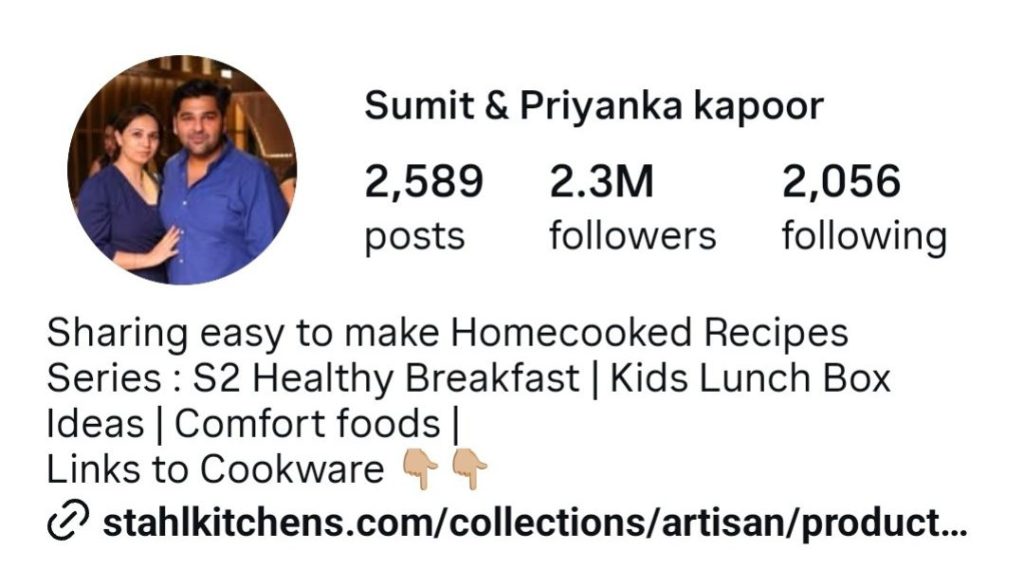
Challenges in Nano-Influencer Marketing

Finding the Right Fit

One challenge for brands is identifying the right nano-influencers whose audience aligns perfectly with the brand’s target market. Research and careful vetting are required to ensure the influencer’s followers match the intended demographic.

Managing Expectations

While nano-influencers offer higher engagement, their smaller follower base means brands shouldn’t expect the same reach as with larger influencers. However, their influence lies in trust and connection, which can result in more loyal customers over time.

The Future of Nano-Influencer Marketing

Trends to Watch

As brands continue to seek authentic, cost-effective marketing strategies, the trend of working with nano-influencers is expected to grow. Platforms may offer new tools that make it easier to discover and collaborate with nano-influencers.

Potential for Growth

With the increasing demand for genuine brand experiences, the role of nano-influencers will continue to expand. Their ability to connect on a personal level with niche audiences makes them valuable assets in long-term brand strategy.

Collaborate with Buzzfame for the right guidance 

Whether you are a nano influencer looking to partner with brands or a brand seeking to engage nano influencers, Buzzfame is the top resource. As the leading influencer marketing agency, Buzzfame has an extensive network of nano influencers across categories. 

Their specialised processes ensure the right influencer is matched for each campaign. Influencers gain access to brand partnerships that help grow their business.

Meanwhile, brands receive targeted exposure to engaged audiences through authentic, organic posts. Buzzfame’s expertise and platforms simplify the linking of influencers and brands for collaborative success.

Conclusion

Nano-influencers are emerging as an important player in influencer marketing due to their unique advantages of high engagement rates, authenticity, and ability to niche target audiences.

Their growing popularity among brands stems from their more personal and trusted relationships with followers compared to larger macro-influencers. 

As the future of marketing continues to evolve with consumers demanding more authentic and personal connections, nano-influencers are well positioned to effectively engage audiences on behalf of brands.

Their small but loyal followings allow them to create highly targeted and cost-effective campaigns that can build trust and lasting connections.

For these reasons, brands would be wise to consider tapping into the nano-influencer trend and develop strategic partnerships that reshape traditional influencer strategies

Partnering with nano-influencers has the potential to reshape how brands authentically reach and resonate with consumers as influencer marketing becomes an increasingly integral part of the marketing mix.

FAQS

What is the rise of influencer marketing?
The rise of influencer marketing refers to brands partnering with social media influencers who have a strong follower base to promote and endorse products and services on their platforms.

What is nano influencer marketing?
Nano influencer marketing refers to influencers with a smaller follower count, typically between 1,000-10,000 followers, but have highly engaged and loyal audiences.

What are the effects of nano influencers?
Nano influencers tend to be highly effective at driving sales and engagement due to their authenticity and close relationships with their followers who trust their opinions.

How do influencers influence the market?
Influencers impact the market by endorsing products and services to their followers, which can help generate brand awareness, promotions, sales and word-of-mouth marketing if their followers also purchase or engage with what they recommend.

What is nano influencer marketing?
Nano influencer marketing involves partnering with influencers who have 1,000–10,000 followers. These creators offer high engagement, niche content, and trusted voices, making them ideal for brands seeking authentic promotion and meaningful audience connections.

Why are nano influencers becoming so popular?
Nano influencers are trusted by their small, loyal audiences. Their honest content, personal touch, and higher engagement rates make them a great fit for nano advertising and brand collaborations across niche markets

How do nano influencers impact marketing campaigns?
Nano influencers boost campaign effectiveness through relatable content and stronger trust. Brands benefit from higher ROI, especially in nano influencer collaboration efforts targeting specific demographics or local audiences.

Are there nano influencers in India brands can work with?
Yes, nano influencers India are growing fast across fashion, food, fitness, and parenting niches. They offer strong regional reach, making them perfect for localized campaigns and targeted nano influencer marketing strategies.

What are the benefits of using nano influencer marketing?
Nano influencer marketing provides high engagement, lower costs, and more authentic content. Brands gain better audience trust and conversions with focused, small-scale campaigns that feel personal and relatable.

How can brands find the right nano influencer?
Brands can find nano influencers through social media searches, nano influencer agencies, or influencer platforms. Look for alignment in values, audience match, and consistent content quality before partnering.

What is a nano influencer agency?
A nano influencer agency connects brands with vetted nano influencers. These agencies handle campaign planning, content review, and performance tracking, making nano influencer collaboration easier and more effective

How is nano advertising different from traditional ads?
Nano advertising feels more personal and less scripted. Nano influencers share products in natural, everyday ways that feel genuine—unlike traditional ads, which are often more polished and less relatable.

How do nano influencers make money?
Nano influencers earn through paid posts, free products, affiliate links, or long-term brand deals. As they grow, their value in nano influencer marketing increases with better reach and conversion potential.

Are nano influencer collaborations effective for small businesses?
Yes, nano influencer collaboration is perfect for small businesses. It’s affordable, focused, and builds local trust. These partnerships often lead to stronger engagement and customer loyalty compared to bigger influencer campaigns.

Stop Guessing, Start Growing with the Right Influencers

We take the guesswork out of influencer marketing with proven strategies.